
Lbnw C1kw upHr hkIi QsBi kANh: what is behind this in practice
2025-12-18
When you see a line likeLbnw C1kw upHr, the first thought is some random set of characters, maybe a batch serial number or an internal code. But in our industry, especially when it comes to material specifications or test reports, such combinations are no longer just letters. They begin to be associated with specific problems at the site. Many colleagues, especially those who are more in the office, mistakenly believe that this is just data for show that the engineer will enter into the report. In fact, behind every such conditionalhkIiorQsBiThere may be a history of selecting a dielectric for specific climatic conditions or an attempt to get away from a standard solution, which in the field was met with a discrepancy between the actual loads and the calculated ones.
From code to real task: context of application
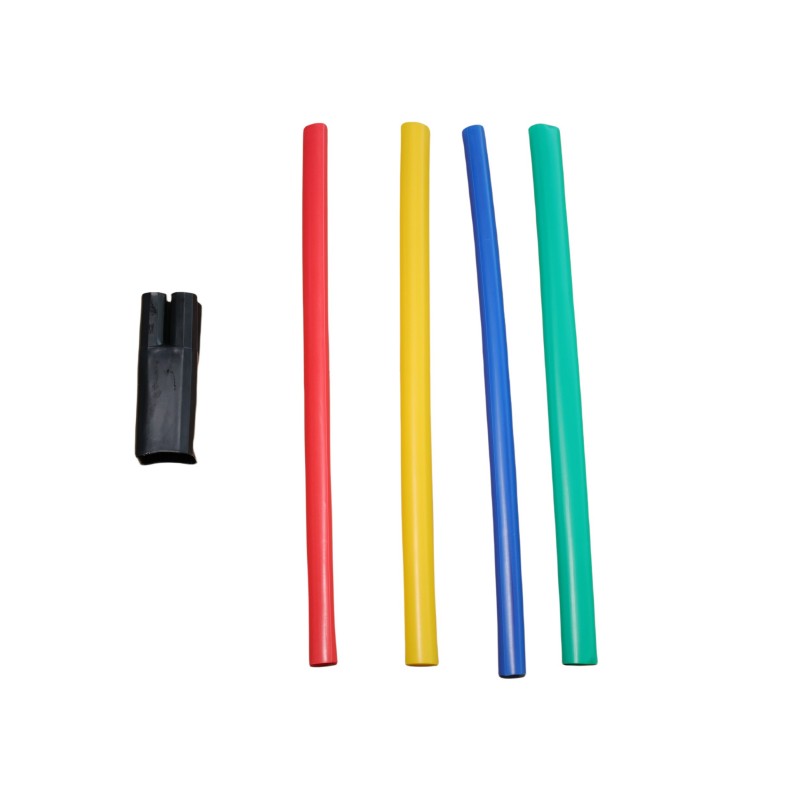
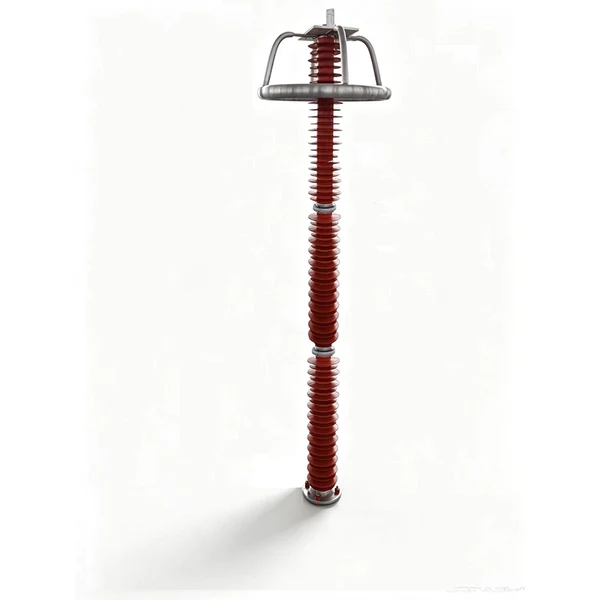
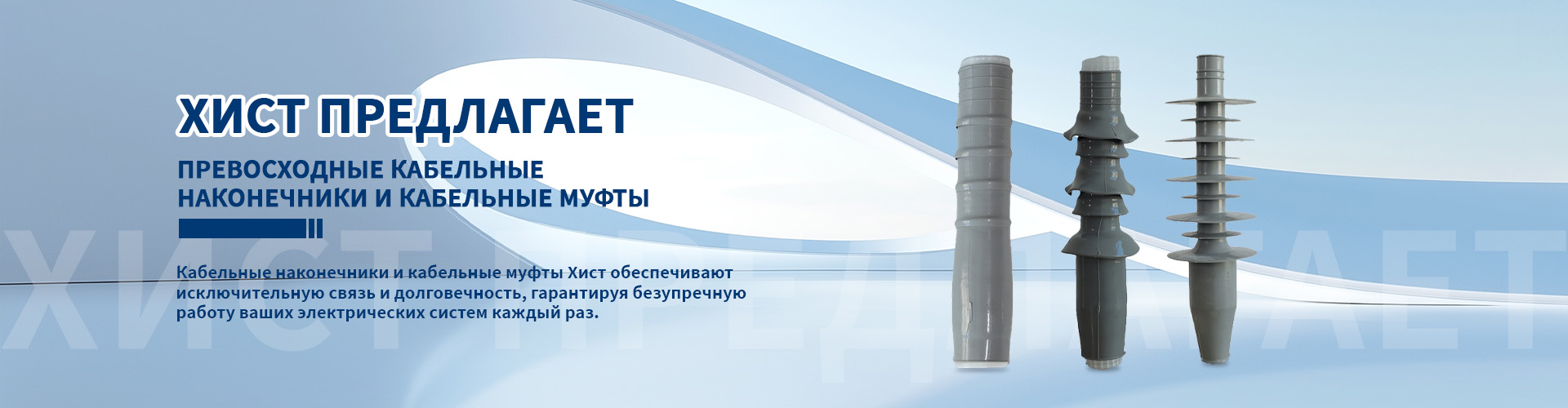
Take, for example, our activities at Shijiazhuang Hist Electric LLC. The company has been dealing with cable accessories for several years, and we have our own laboratory where we can test products under voltage up to 1000 kV. So, when a task comes with a conditional cipher similar tokANh, this often means a non-standard request. Let's say a customer needs end couplings for a project in conditions of high salinity and temperature changes. Everything is beautiful in the passport, but in the field, after several cycles of “heating-cooling-condensation”, problems begin with shrinkage of insulation or corrosion of metal elements.
This is where the difference between formal compliance and practical reliability comes into play. Our technicians, those same seven doctors and graduate students, often analyze such cases. They don't look at the abstractC1kwin the specification, but on how the polymer behaves as part of an insulator under prolonged exposure to a certain humidity, which can be encrypted in these strange designations from the customer.
There was an incident at one of the facilities in Siberia. The project documentation referred to the requirements, I will call themupHr. According to the papers, our fuses fit perfectly. But during installation in a special cabinet, it turned out that due to vibration from nearby equipment, a microscopic displacement of the contacts occurs. In the laboratory, everything was tested statically. We had to quickly refine the fastening design, essentially creating a modification for this particular but important case. This is the transcriptLbnwin practice - not reading the code, but understanding the physics of the process that is hidden behind it.
The laboratory as a tool, not just a “tick box”
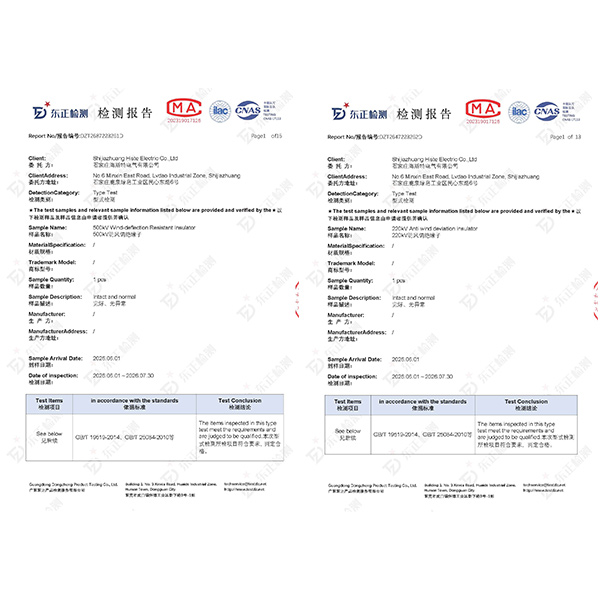
Many manufacturers boast about their testing centers, but this is often just marketing. In our case, the laboratory in Northern China is precisely a working tool. When doubts arise about the behavior of a material conventionally designated in the request ashkIi, we are not looking for ready-made certificates. We take samples from the same batch that will be used for the project and begin to “torture”? their.
We create conditions that are as close as possible to those described in the technical specifications, and often even more stringent. For example, accelerated aging cycles for insulators. This allows you to predict the behavior of the accessory in 10-15 years, and not just confirm that it now holds the declared 35 kV. It is these tests that sometimes reveal that the standard compound formulation for cable glands is not suitable for continuous operation at temperatures of +70 and in aggressive environments. And then the selection of other material begins - a process that in the report can be reduced to a dry line? An additional series of tests is carried out according to the protocolQsBi?.
Moreover, it is important that testing is not a one-time event. It's part of a cycle. Data from test sites and from real objects where our products are already installed are returned to the laboratory and become the basis for new test scenarios. It turns out to be such a vicious circle: the field sets a problem (sometimes in the form of a mysterious code), the laboratory models and finds a weak point, production makes adjustments, and the improved product goes back to the field. Without this, any technical expertise is just words.
Errors and dead-end branches: there’s no way around it
To be honest, not everything we tried was successful. There were also erroneous interpretations of the requirements. Once we received a request that included parameters similar tokANh. We understood them as the need for increased mechanical tensile strength. We focused all our efforts on strengthening the reinforcement of insulators. The product turned out to be super-strong, but... terribly inconvenient for installation in cramped conditions, and the weight went beyond the limits. The client was dissatisfied - his task was different, and our “reinsurance” approach created new problems.
This failure taught us one thing well: before rushing into development, we need to spend time on dialogue. Find out what exactly is behind the condensed wording and codes in the technical specifications. Often forC1kwWhat is hidden is not a specific figure, but a desire to provide a certain resource under certain conditions. And this can be achieved in different ways, without necessarily making the structure heavier.
Another lesson is that the most technologically advanced solution is not always the optimal one. We somehow developed an engineering-perfect monitoring system for disconnectors. But its implementation required additional training from the customer’s personnel and complicated routine maintenance. As a result, it was abandoned in favor of a simpler, but trouble-free option. The race for innovation for the sake of innovation is a dead end. Practice has shown that reliability and maintainability are often more valuable than “smart” ones. functions.
Integration of solutions: from accessory to system
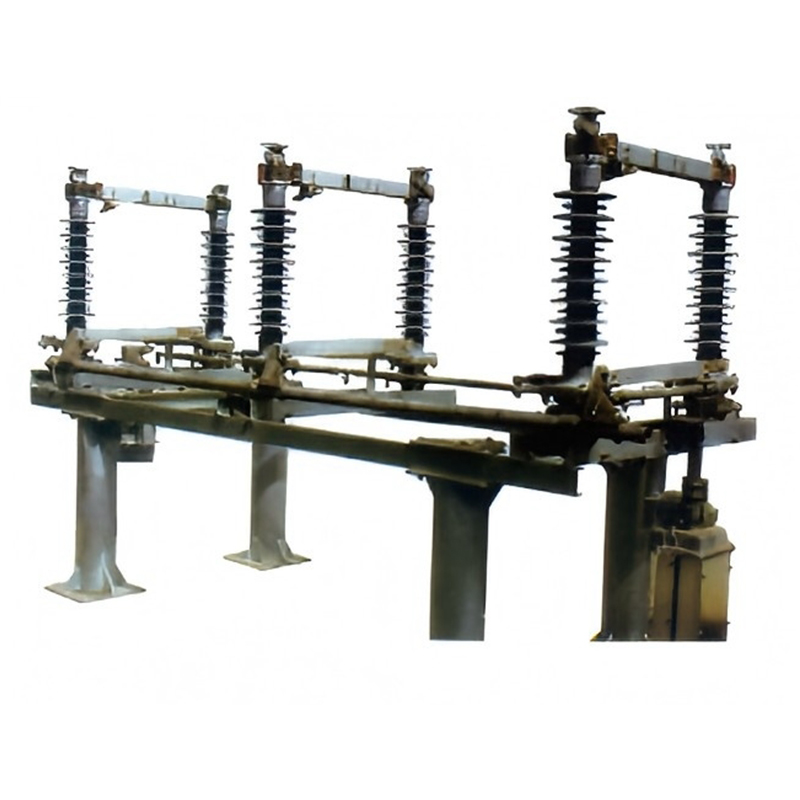
The strength of our company, Shijiazhuang Hist Electric Co., Ltd. is not just that we make good cable joints or insulators. We are talking about the ability to assemble from these “bricks?” working system. When a client comes with a complex project, say for an offshore wind farm or a mining site, they need more than just a list of products with codesupHrandhkIi.
He needs an understanding of how these accessories will work together, how they will affect the overall reliability of the network, and what risks may arise at the interfaces. Our engineers, relying on patented developments and experience, are engaged in building such complex solutions. This is not selling a box of parts, this is providing insurance against downtime and accidents.
For example, for a project in permafrost conditions it is not enough to install frost-resistant cable glands. It is necessary to think over a system for attaching them to structures that are themselves subject to seasonal movements, calculate flexible connections, and select materials that will not become brittle in the cold. All this work is ultimately described in an album of technical solutions, but it is born from hundreds of small calculations and taking into account previous, sometimes bitter, lessons.
Final Touches: Thinking Out Loud
So, back to the beginning. StringLbnw C1kw upHr hkIi QsBi kANh- for the uninitiated, this is noise. For us, this is a potential story. The story of search, testing, perhaps mistakes and the final successful solution. This is a reminder that behind every dry technical designation there is a physical process, a material that behaves in one way or another, and specific people on the site who need to work with it.
The value of any manufacturer, including our company, is determined not by the number of patents on the wall (although dozens of patents are serious), but by the ability to translate these codes and requirements into living, working products. The ability to hear behind the codeQsBithe customer’s real problem and offer not just a standard, but a suitable answer.
And the main conclusion that comes over the years: the most difficult part of the work is not creating something with phenomenal characteristics in ideal laboratory conditions. The most difficult thing is to ensure predictable, stable and long-term operation of this “something?” where there are no ideal conditions and never will be. This is where the border between theory and practice lies, between just a product and a real solution. And that's what we're focused on.