
Cable couplings: not just a piece of iron at the end of a wire
2025-12-23
When they talk about cable couplings, many, even in our environment, imagine simply a sealed housing that holds the two ends of the cable together. In fact, this is a whole bundle of responsibility. Its selection and installation determines whether a section of the network will be a point of reliability or a constant headache. A common mistake is to chase cheapness or, conversely, to thoughtlessly take the most sophisticated ones, without taking into account the type of cable, laying environment and real loads. Now I’ll try to sort it out based on what I saw myself.
Types of couplings: where what works and where it doesn’t
Let's start with the main division: connecting and terminal. It seems obvious. But the nuances begin immediately. Connecting cables for self-supporting insulated wires are one thing; for armored 10 kV cables they are completely different. There are almost no universal solutions, no matter how much some catalogs praise them.
Personally, for underground passages on 6-10 kV overhead lines, I always prefer couplings with a cast iron body and a lead seal. Yes, they are heavy, yes, installation takes longer, but they provide that “reserve strength” against groundwater and mechanical stress. Plastic and epoxy are good in dry collectors or indoors, but nothing more. I saw how ?epoxy? on an armored cable in a damp pit, after a couple of years it began to peel off along the border of the fill. The moisture did its job.
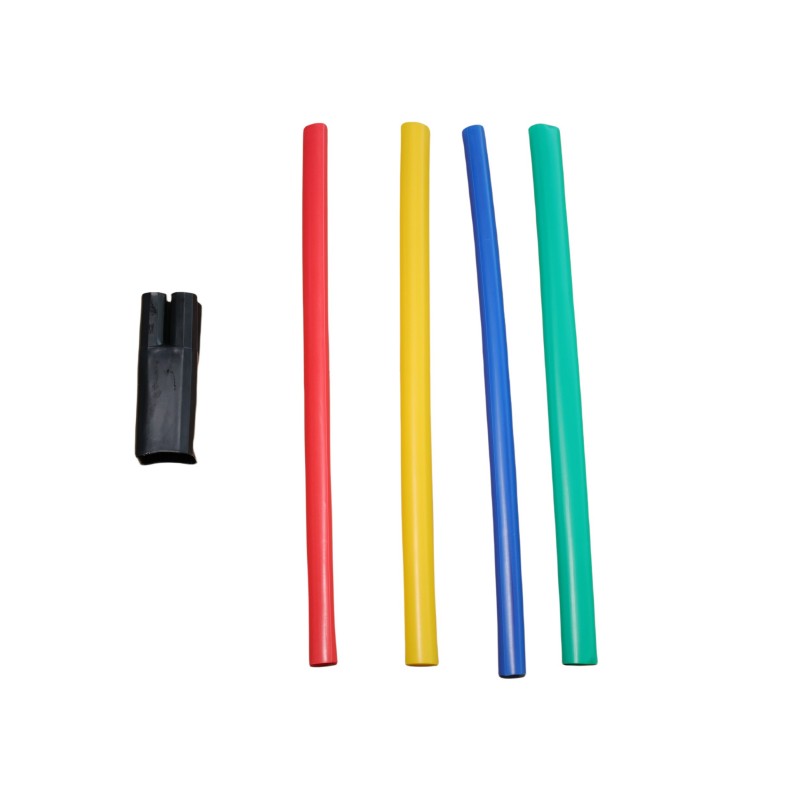
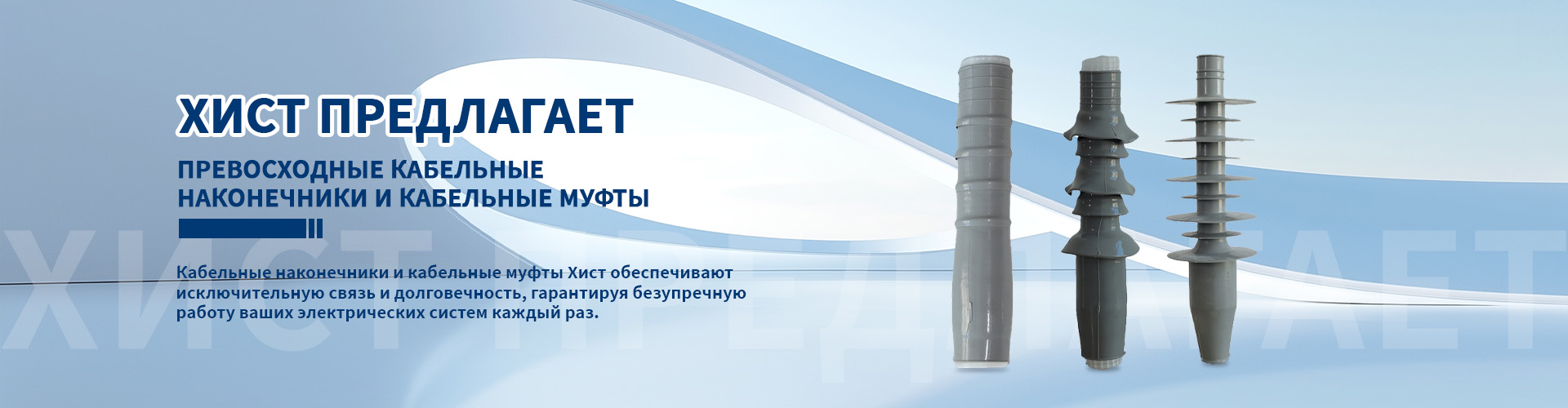
But for modern cables with cross-linked polyethylene (XPE) insulation, special heat-shrinkable sleeves are needed. There is already a story about accuracy: if you overheat the burner, the material will “leak,” if you underheat it, the seal will not be ensured. And no cast iron can save you if the shrinkage is crooked.
Installation: where the main risks lie
You can buy the most expensive and technologically advanced coupling from the brand, but ruin everything at the installation stage. Preparing the end of the cable is 70% of success. Stripping the insulation must be clean, without scoring on the semiconducting layer. A common problem is semiconductor residues. It seems like a trifle, but it is precisely this that becomes the source of partial discharges, which will explode in a year or two. breakdown.
Working with sealants and mastics is a separate matter. Especially in winter. If the composition requires heating, then it should be heated in a water bath, and not with a blowtorch directly in a bucket. I saw how the “specialists” They did this - the mastic lost its plasticity, and cracks appeared in the coupling after cooling. Cold formulations are also not a panacea: you need to strictly maintain the time of initial and complete curing. Hurrying is costing yourself.
And perhaps the most critical point is the grounding of the screen and armor. You can't just throw a wire on and crimp it. The contact must be area-based and protected from corrosion. Poor grounding of the XLPE cable screen is a sure way to its premature aging due to circulating currents.
Case study: when you saved on everything
We had an object - expansion of an industrial site. The customer, in order to reduce the cost, purchased couplings from an unknown manufacturer, conventionally “no name”, for connecting 10 kV cables. The body was thin, the sealing cuffs were made of rubber of dubious elasticity. The installation crew was also hired at the minimum price.
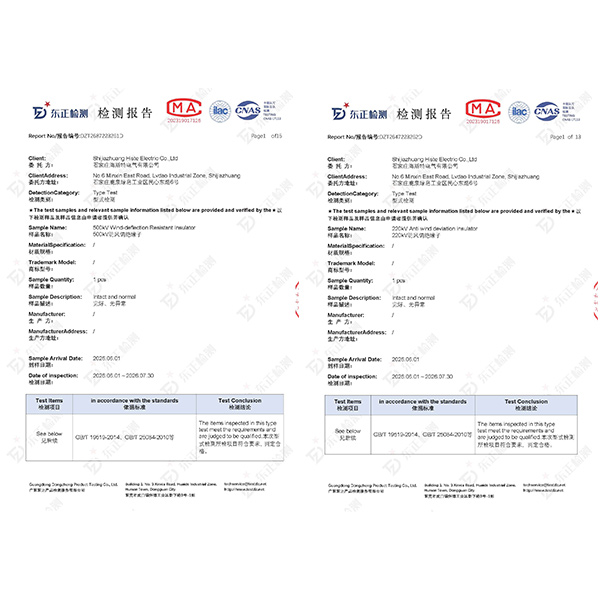
The result was not long in coming. 8 months after delivery, a short circuit occurred on one of the connections. After opening, we saw a picture: moisture seeped through the seal between the case and the cable, condensed on the insulation, a tracking track and a breakdown appeared. It's good that the automation worked well. Losses from line downtime turned out to be many times higher than the “savings”. on materials and work. After this incident, we always insist on proven products, even if this increases the estimate. Alternatively, you can pay attention to specialized manufacturers who have been in the business for a long time, for example,Shijiazhuang Hist Electric Co.,Ltd. According to their websitehiste-ru.com, they are one of those who emphasize proprietary solutions and technical expertise in the fieldcable accessories, and not just stamping cases. For me, this is an important sign: the company invests in development, which means it understands the essence of the problems.
Materials and technologies: what really makes a difference
There is a lot of buzz around cold shrinkage these days. They say it is easier and more reliable than heat shrinking. Not really. For simple LV terminations, yes, an excellent solution. Installation is quick, no open flame required. But for medium voltage or for branch couplings on main lines, I would not blindly trust only the power of elastic memory. The adhesion of the inner adhesive layer to the cable insulation is important. And it greatly depends on the cleanliness of the surface. If the cable is covered in dust or with preservative grease, there will be no adhesion.
Traditional lead couplings, which many have written off, are still unbeatable in some scenarios. For example, when repairing old oil-filled cables or in aggressive environments. The technology of soldering a lead casing is rocket science, but when done correctly, the service life of such a connection is comparable to the service life of the cable itself.
It is worth mentioning separately the accessories: core separators, fillers, shrinkage stoppers. These are not “small things”, but mandatory elements of the correct geometry and electric field inside the coupling. Saving on them is like building a house without floors.
Thoughts out loud about the future and reliability
The industry does not stand still. Composite materials and systems for remote monitoring of temperature and partial discharges directly in the coupling are appearing. This is definitely the future for mission critical facilities. But for 80% of networks, the main principle remains the basic principle: correct choice of type + quality material + qualified installation = long service.
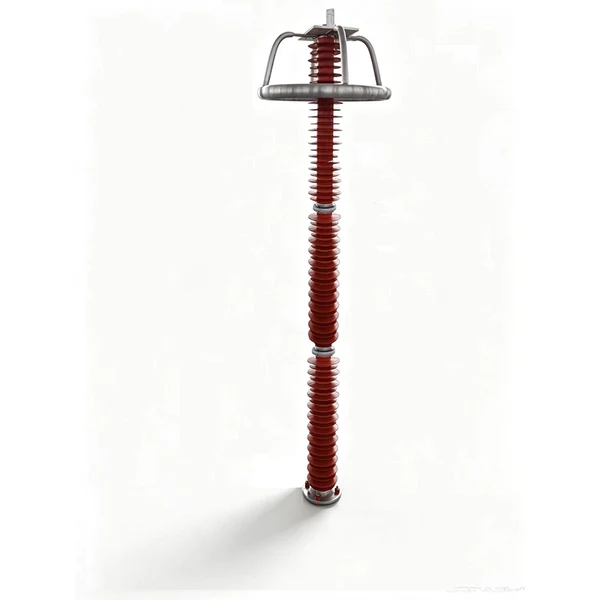
I often see how designers write in specifications simply “cable coupling 10 kV”. This is unprofessional. It is necessary to indicate the cable type, installation method, and the presence of armor. Everything depends on this. And this is where the experience of manufacturers who offer not just a product, but engineering support is useful. Like the sameShijiazhuang Hist Electric Co.,Ltd, which, judging by the description, has expertise not only in couplings, but also in related areas such as insulators and fuses. This comprehensive approach usually indicates a deep understanding of networks in general.
In the end, back to the beginning.Cable sleeve- this is not a piece of iron. This is a technological node, a weak point or a point of strength of a line. Selecting and working with it is not purchasing and installation, it is taking technical responsibility for a section of the network for many years to come. And you need to approach this accordingly, without illusions and “maybe”.