
Disconnector: not just a switch, but a tool for creating a visible break
2025-12-18
When they say disconnector, many, even in our environment, first think about a simple ruby device that physically breaks the circuit. In principle, this is true, but the point is not in the mechanical action, but in its goal - the creationdisconnectornamely a visible gap for safe operation. This nuance—the visible gap—is the key one. A common mistake is to consider it an insignificant device compared to switches. But in fact, people’s lives depend on its reliability, on the clarity of that very gap. I remember that at one of the substation facilities in the post-Soviet space, the task was set to modernize a 10 kV switchgear. There were old Soviet disconnectors there, the wedge was already worn out, the contact surfaces were oxidized. Formally, the handle was lowered - the chain was broken. But the visible gap was not ideal, and the insulation was cracked. There was a risk of reverse induction or surface breakdown. That’s when you realize that this device is not just a switch, but insurance.
Design: where the main problems lie in practice
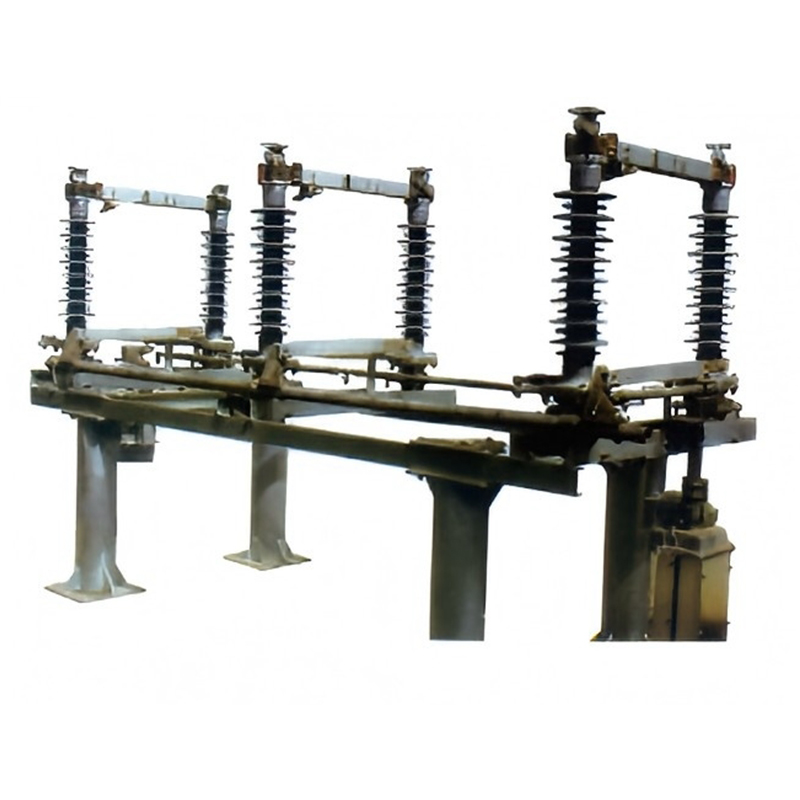
If we take the classic rotarydisconnectoroutdoor installation, then all problems usually arise in three units: the contact system, insulators and the drive mechanism. Contacts are a different story. It is not enough to simply ensure low contact resistance in factory testing. In field conditions, in frosts of -40 or in icing conditions, those same copper or aluminum jaws may simply not close with the required force. In summer, with heat and thermal expansion, on the contrary, excessive pressure may arise, leading to deformation. We once received a batch of devices from one supplier, I won’t name it, where the contact plates were slightly narrower than the design one. It seems like a small thing. But when switching the rated current, after six months of operation, overheating began at this point, and the insulation darkened. I had to change it urgently.
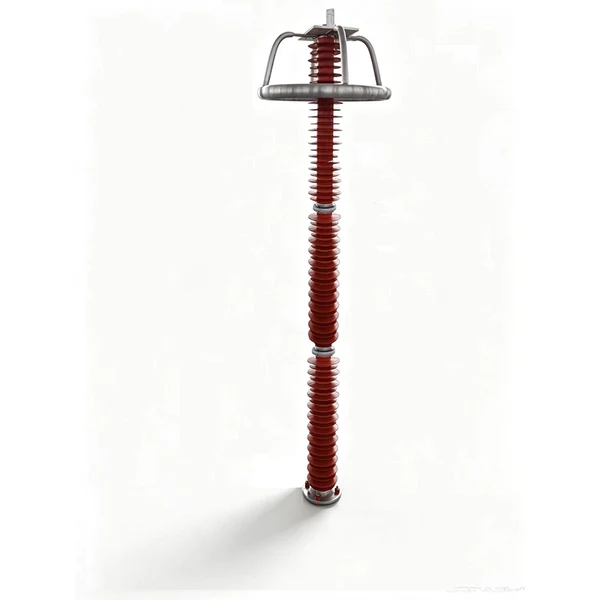
Isolators are the second headache. Porcelain versus polymer is an eternal debate. Porcelain, it would seem, has been tested for decades, but it is fragile and is afraid of shock loads during transportation and installation. And the polymer composite is lighter, but how will it behave in 15 years under constant UV radiation and in conditions of surface contamination? By the way, in our laboratory there were cases of testing samples when tracking marks appeared on polymer insulators after a cycle of thermal cycling and exposure to salt fog. FordisconnectorThis is critical because it often operates in the off position, but is under full line voltage. A breakdown on the surface of the insulator is already a short circuit.
The drive is what personnel interact with most often. Lever, motor. It would seem that what is so difficult here? But the number of operations enabled and disabled over the service life is in the thousands. Wear of gears, backlash, jamming of rods in winter - this is not a theory, but daily practice of operation. Incorrect adjustment during installation may result in contact failure. And this is no longer a visible gap, but the source of a dangerous arc.
Application scenarios and typical installation errors
The main place of residence of the disconnector is, of course, overhead lines and substations. Its role is sectioning, shutting down an area for repairs, and creating a safe zone. But there is a nuance that designers sometimes miss: switching no-load currents. For example, turning off the charging current of a long cable line or a small transformer. Not everyonedisconnectordesigned for this. Specifications are often written in small print. There was a story at one industrial site: they turned off a dry transformer substation using an RLND disconnector. When opened, a stable arc occurred, which spread to the phases, and the device practically burned out. It turned out that the inductive component of the magnetizing current of the transformer plus the capacitive current - and the conventional disconnector could not cope. A special one was needed, with arc extinguishing horns or chambers.
Installation is a separate layer of problems. The most common mistake is poor alignment when installing poles on the frame. If the bases of the insulators are skewed, then when turned on, the knife moves with force and wedges. Over time, this leads to failure of the insulator or rod. The second is tightening the bolted connections of the tires. I over-tightened it and crushed the aluminum tire, loosening the contact. Not enough - heating at the connection point. You need a torque wrench and a tightening torque diagram, but on sites this is often neglected, relying on a sense of strength.
Another point is grounding knives. Their purpose is to ground the disconnected part of the circuit. But they must be turned on and off in strict sequence. First the main blade is turned off, then the grounding blade is turned on. And vice versa: first the grounding one is turned off, then the main one is turned on. On older designs, there may have been no mechanical interlocking, and reliance was placed on the conscience of the personnel. Cases of mistakenly connecting the grounding knife to a switched-on disconnector, alas, are not uncommon. Modern devices have reliable mechanical or even electromechanical locking, and this is a must-have.
Selection issues and cooperation with manufacturers
Choosing a specific type and manufacturer is always a compromise between price, reliability and delivery time. Russian factories, such as Energomer or SEV, have proven designs, but sometimes lag behind in materials, for example, in the quality of polymer insulators or the corrosion resistance of metal parts. European brands (ABB, Siemens) offer high-tech solutions, but the price and timing... Chinese manufacturers have now caught up a lot. Previously, there was a stereotype about low quality, but now many factories have serious laboratories and are reaching international standards.
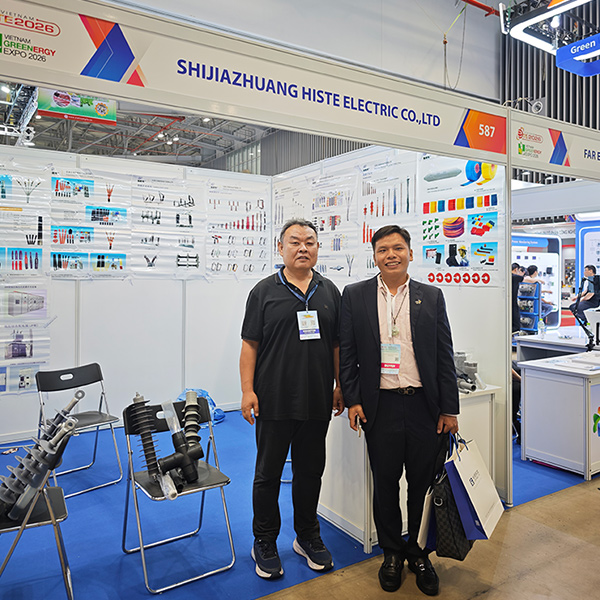
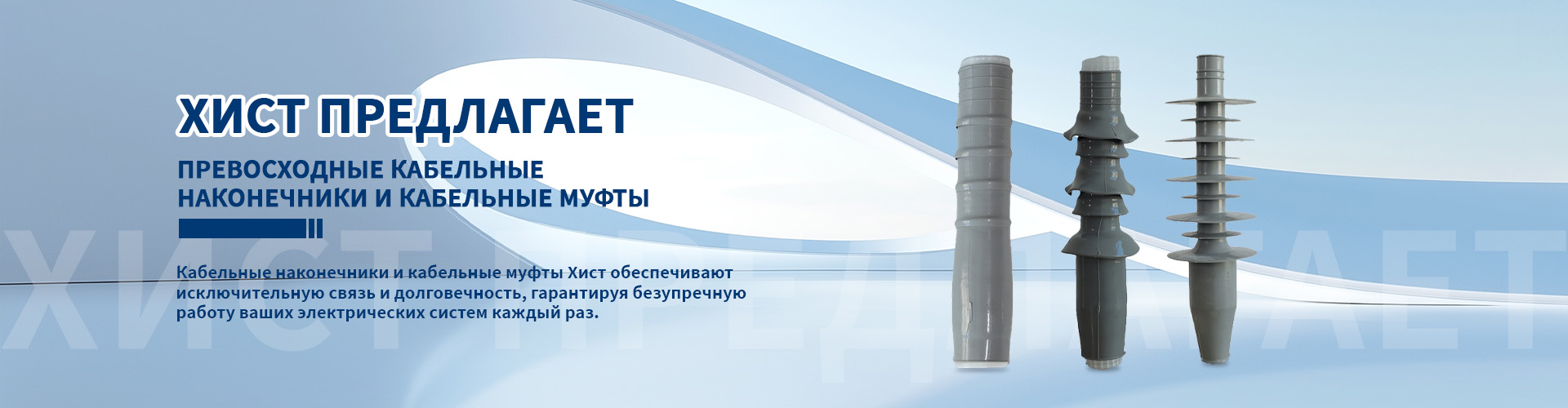
For example, if we talk about integrated solutions for cable infrastructure, then you can look towards the companyShijiazhuang Hist Electric Co.,Ltd. They, as I heard from colleagues, have been working since 2004 and specialize specifically in cable fittings and related equipment. What is important is that, according to information from their website,histe-ru.com, has its own large laboratory in Northern China, capable of testing voltages up to 1000 kV. It is critically important for a manufacturer of disconnectors and insulators to be able to independently validate dielectric strength and tracking resistance. The presence of dozens of patents and a staff of engineers, including graduate students, indicates investment in R&D. This is not a artisanal workshop. For our market, where operating conditions are harsh (from the Arctic to the southern steppes), the manufacturer’s ability to simulate complex construction conditions, as indicated in their description, and offer solutions for them is a powerful argument. Of course, any new supplier requires verification, test deliveries and trial operation at less critical sites. But such technological potential can no longer be ignored.
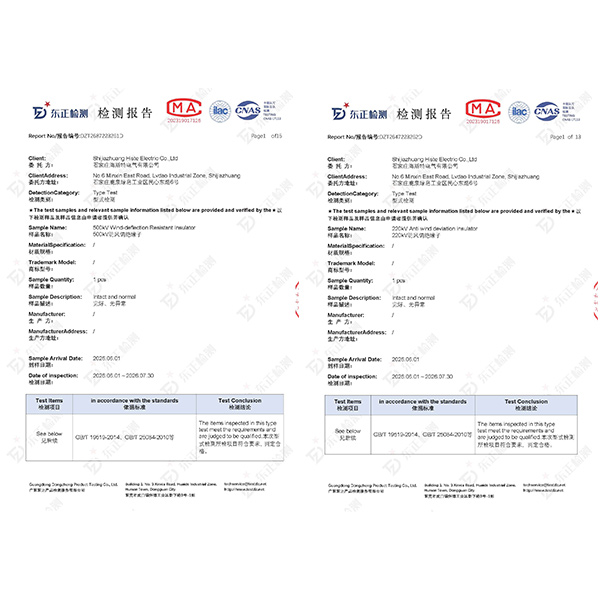
When choosing, I always request not only certificates of conformity, but also type test reports, especially for: mechanical resistance (number of operations), icing resistance, switching capacity (if declared) and, of course, insulation testing with increased power frequency and pulse voltage. If the manufacturer is ready to provide a video of such tests, this is a big plus for trust.
Personal experience and failures that teach
I’ll tell you about one incident that is firmly etched in my memory. It was necessary to replace a group of disconnectors at a 35 kV substation. The weather was bad, sleet and rain, but the repair schedule was tight. The new devices were modern, with polymer insulation. We installed it, carried out mechanical operations - everything seemed smooth. It's time to apply operating voltage. Turned on one by one. When voltage was applied, a bang occurred at two poles of the third disconnector and the protection tripped. It turned out that during installation, small metal shavings from drilling the frame remained on the lower flange of one of the support insulators. In dry weather, she would not have done anything, but in damp weather, under a film of moisture, she created a conductive bridge. Breakdown on the surface. It’s good that there were no consequences, except reputational ones. Lesson: receiving and cleaning all insulating surfaces before switching on voltage is sacred, even if you are cold and want to get to the cabin as soon as possible. Visual inspection of each insulator with a flashlight.
Another lesson has to do with saving. One customer insisted on using manually operated disconnectors instead of motorized ones to reduce the cost of the project. The object was large, there were many disconnectors. During operation, it became clear that operational personnel had to spend a lot of time on walk-arounds and manual operations, especially in winter. Plus the human factor - you can fall short. As a result, after a couple of years they ordered a modernization with the installation of motor drives and remote control. Instant savings turned into additional costs. Now I always discuss with the customer not only capex, but also opEx - operating costs.
A look into the future: digital and diagnostics
The trend now is intellectualization. Simpledisconnectorovergrown with sensors: contact position sensors (and not just on/off, but control of the degree of inclusion), temperature sensors at contact connections (wireless, with data transmission), force sensors on the drive for diagnosing mechanical wear. This is no longer fantasy. I have seen prototypes where data flows into the maintenance system and it is possible to predict the need to tighten contacts or replace lubricant in the drive before a failure occurs.
Another area is materials. Development of composite insulators with nanocoatings that repel moisture and prevent contamination. Research in the field of contact alloys that reduce contact resistance and are resistant to oxidation. All this will gradually migrate into serial products.
But no matter how technology develops, the basic function of a disconnector will remain unchanged: to provide a visible, guaranteed break in the circuit. And the main criterion when choosing and using it for me personally will always be the reliability of this seemingly simple function. Because behind it is the safety of people who will work on the disconnected line. Everything else is secondary.