


Products






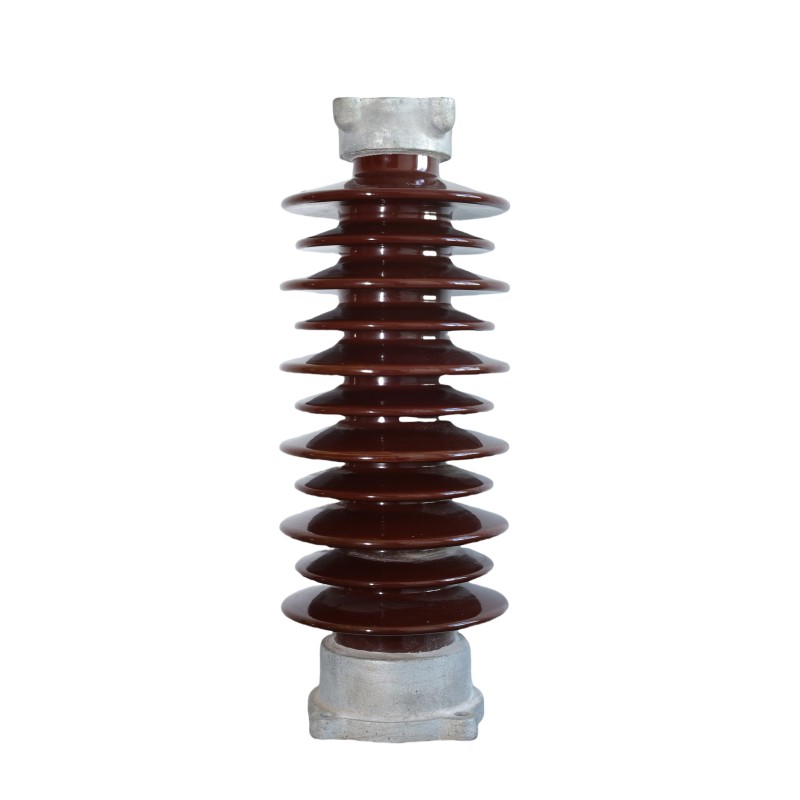
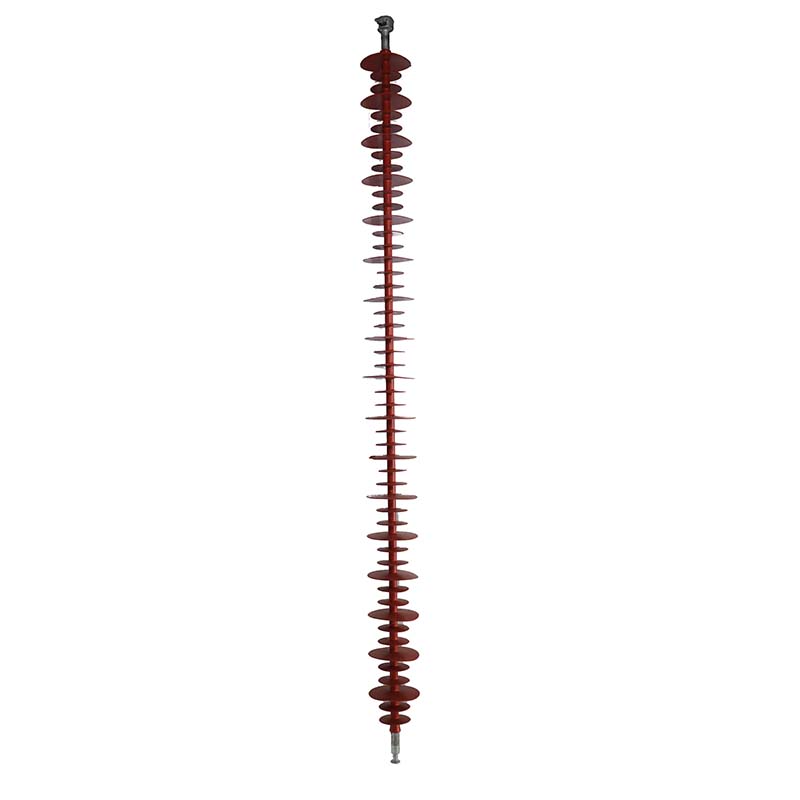
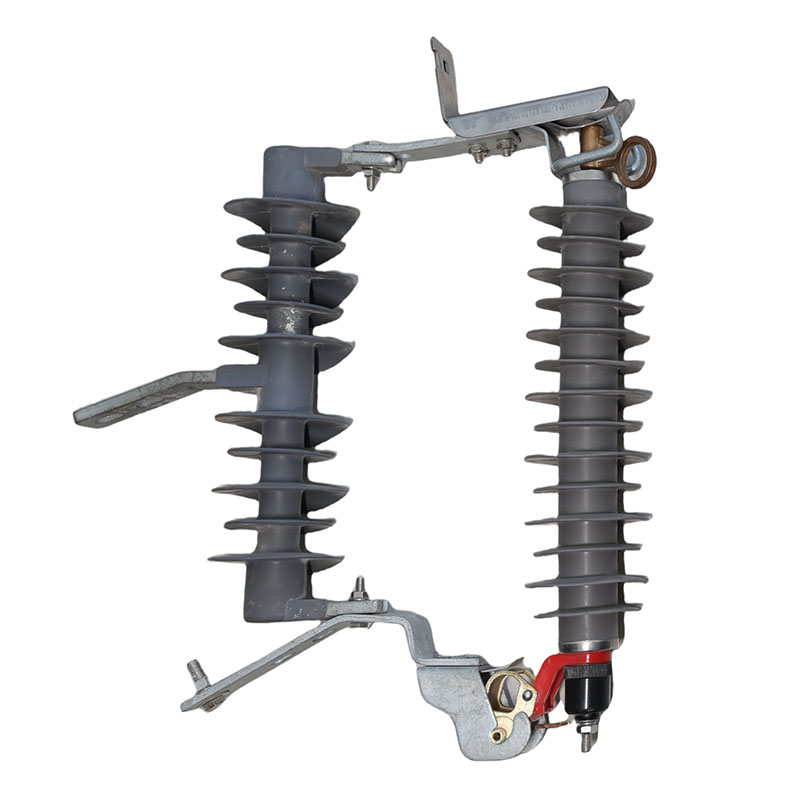
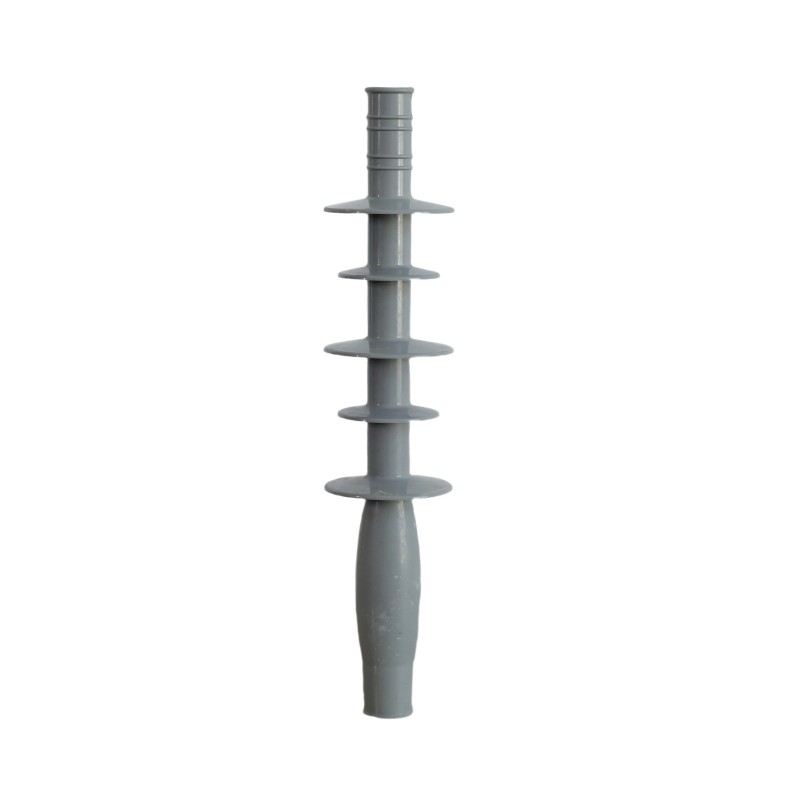
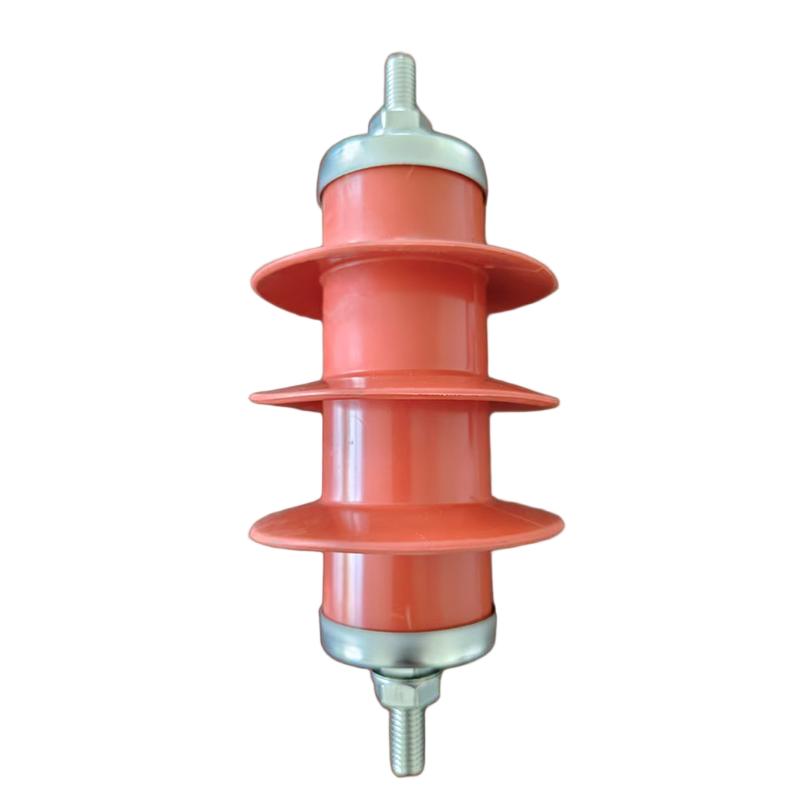
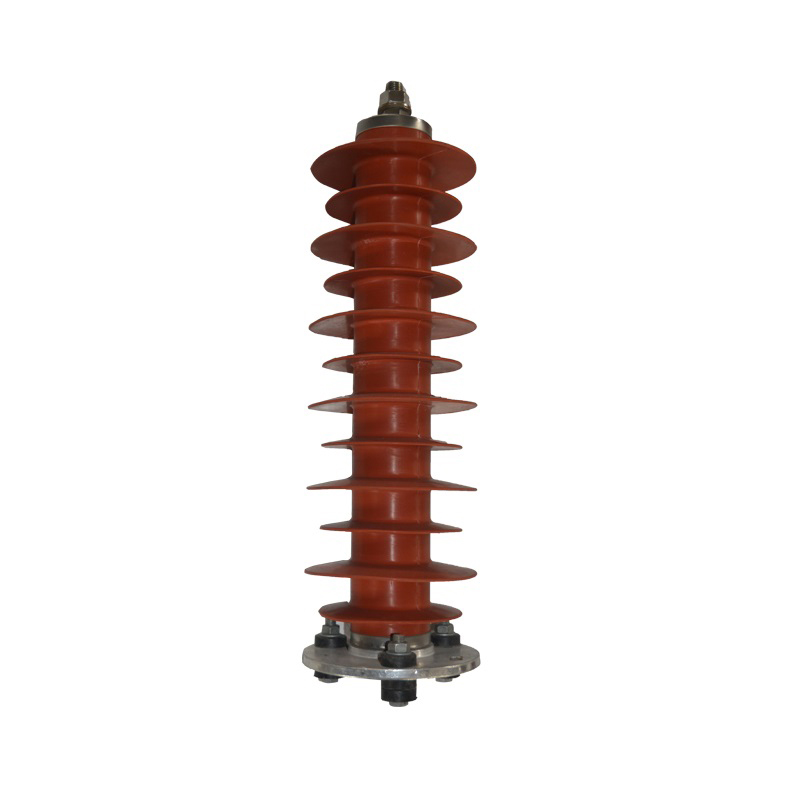
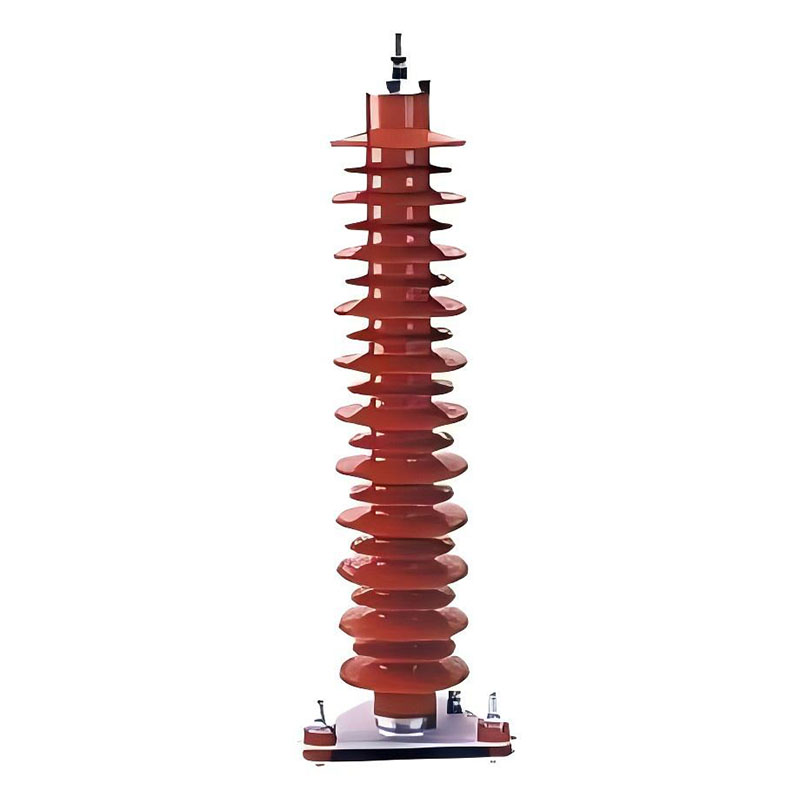
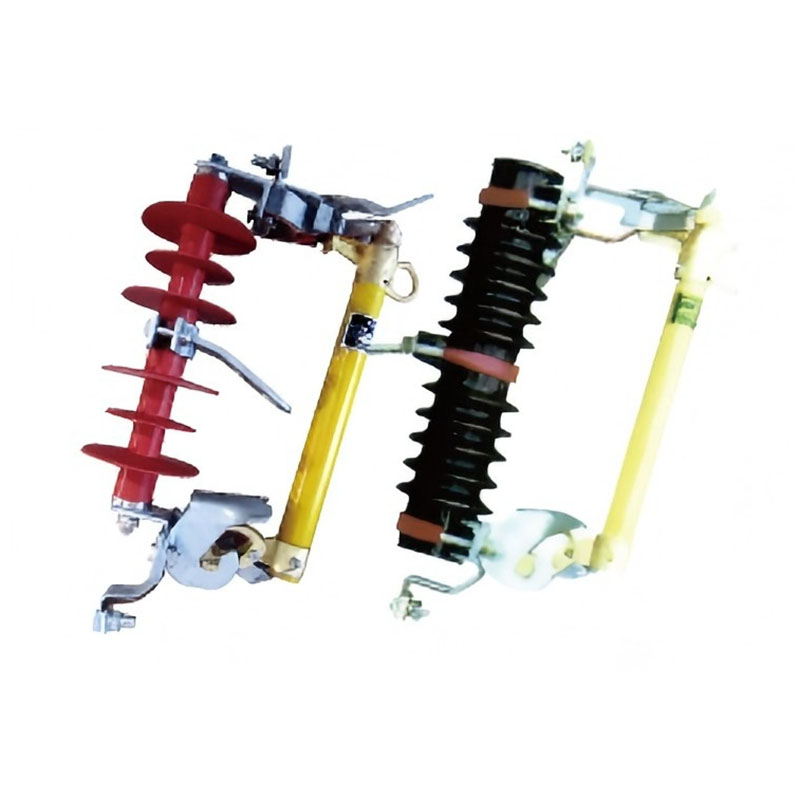
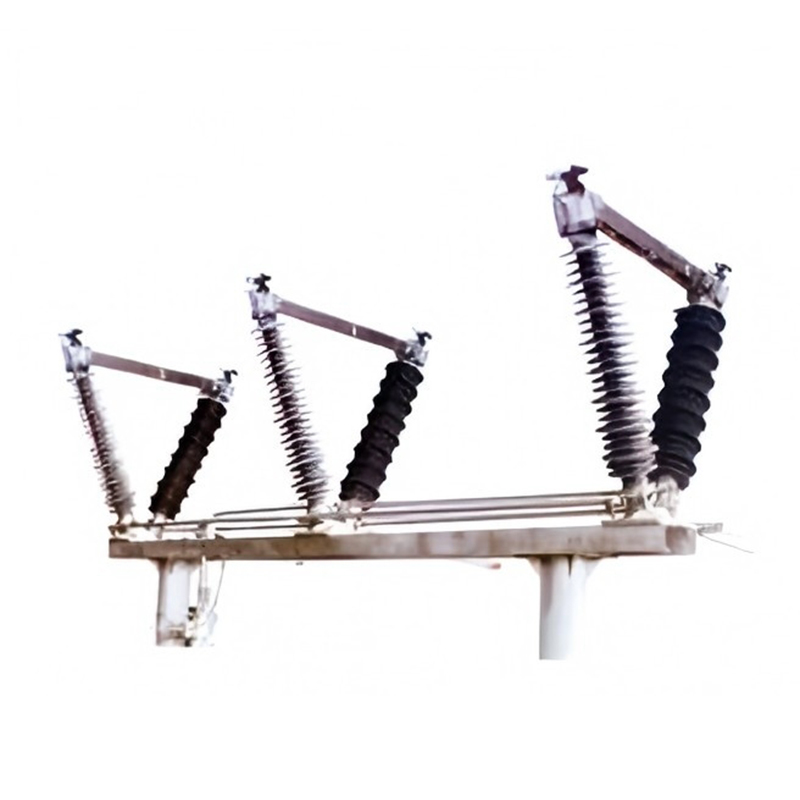
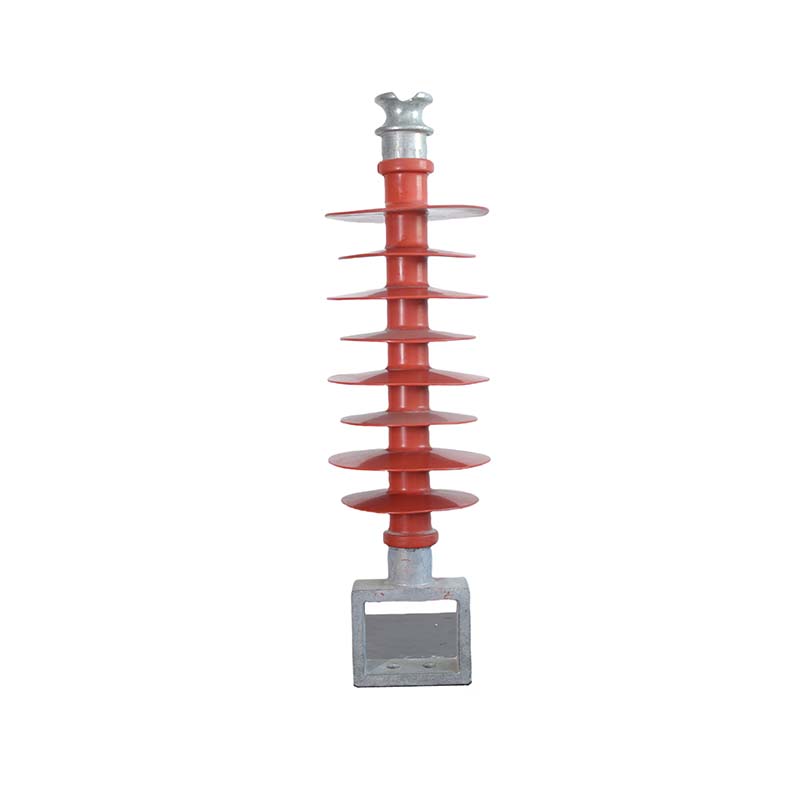
Traverse insulator 35 kV
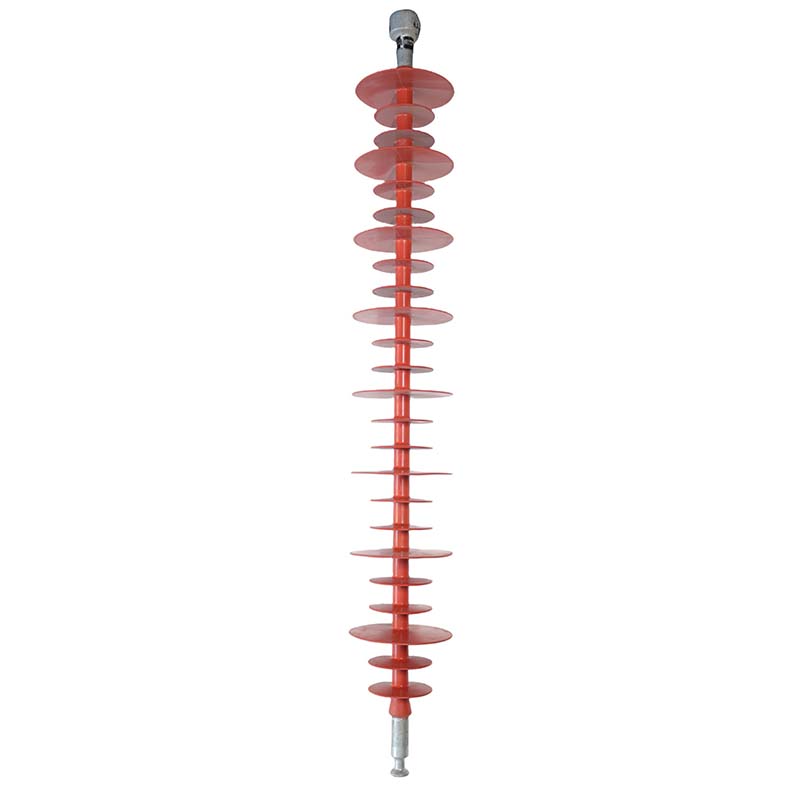
Featuring a conical or cylindrical design, it serves as crossmember support and insulation, replacing traditional metal/wood crossmembers, reducing support height and simplifying design. Main materials include electrical porcelain and silicone rubber composite, and the grooved surface increases creepage distance and prevents fouling.
Description
marker
Product Details
Featuring a conical or cylindrical design, it serves as crossmember support and insulation, replacing traditional metal/wood crossmembers, reducing support height and simplifying design. Main materials include electrical porcelain and silicone rubber composite, and the grooved surface increases creepage distance and prevents fouling.
The 35kV traverse insulator is used on overhead power lines to simultaneously perform the functions of insulating and supporting conductors, serving the dual role of traverse and insulator. This is a device installed between conductors with different potentials or between conductors and grounding elements, capable of withstanding voltage and mechanical load. There are different types of insulators with different shapes.
Insulators are a special type of insulation control that can play an important role on overhead power lines. In the beginning, insulators were used primarily for power line towers, but their application gradually expanded to include multiple disc insulators suspended at one end of high-voltage power line towers to increase creepage distance. They are usually made of glass or ceramic and are called insulators.
The insulators should not fail due to various mechanical and electrical stresses caused by changes in environmental conditions and electrical load, otherwise the insulators will not have a significant effect and will be detrimental to the use and service life of the entire line.
contact us
Related Popular Products
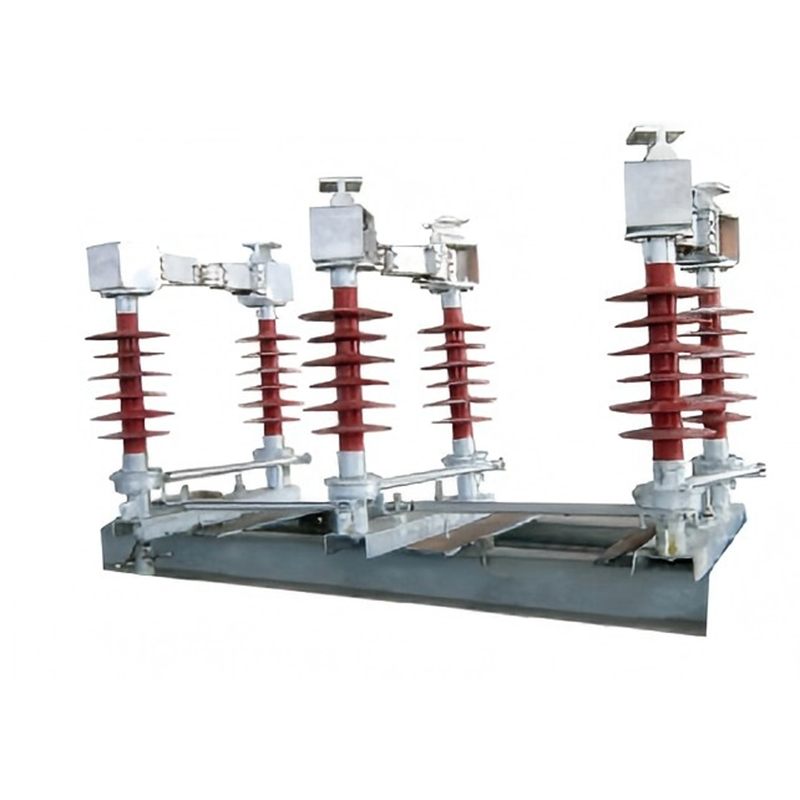
Disconnector-(H)GW4-24kV
GW4 Isolation Switch 24kV Isolation Switch (also known as a disconnector) The GW4 series breakers include 24kV voltage level models suitable for the electrical insulation requirements of medium voltage distribution systems
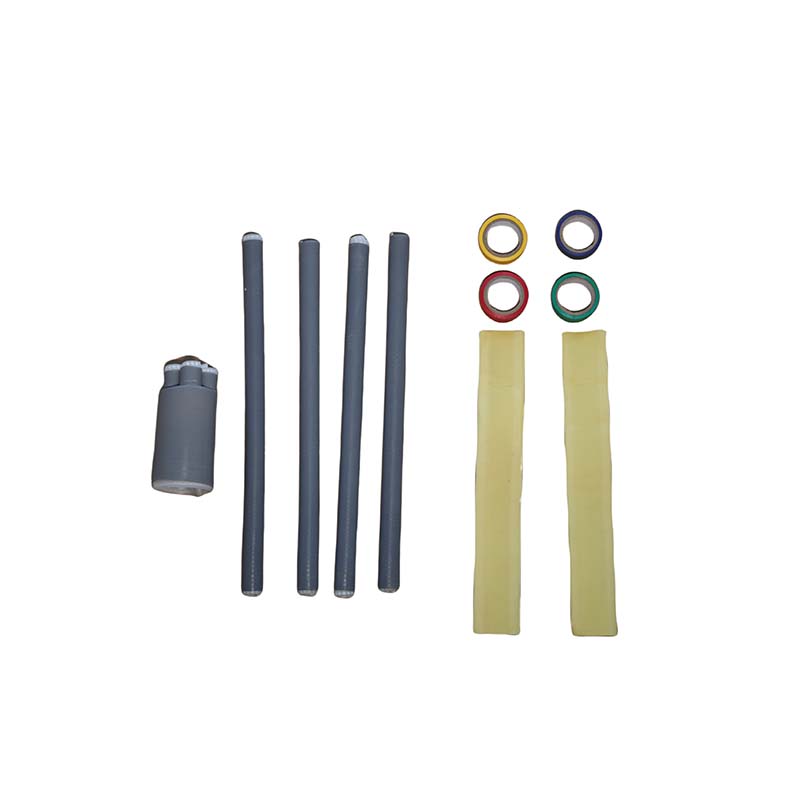
Cold-shrinkable end coupling 1 kV
Suitable for 0.6/1kV three-phase AC distribution systems, compatible with low voltage power cables (such as YJV and VV series), with a cross-sectional area of 1.5-630mm².
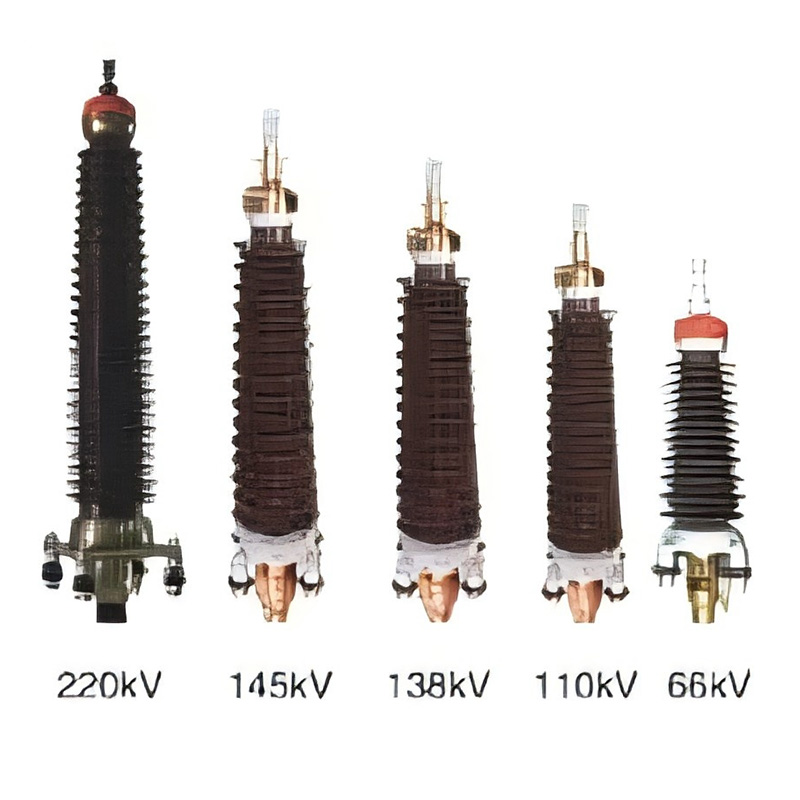
Terminal made of ceramic-silicon-rubber composite material
The composite termination (terminal) is usually installed outdoors and serves as a termination device for high-voltage cables. Its main function is to connect underground or ducted high-voltage power cables to overhead power lines or key substation equipment such as transformers and switching devices.
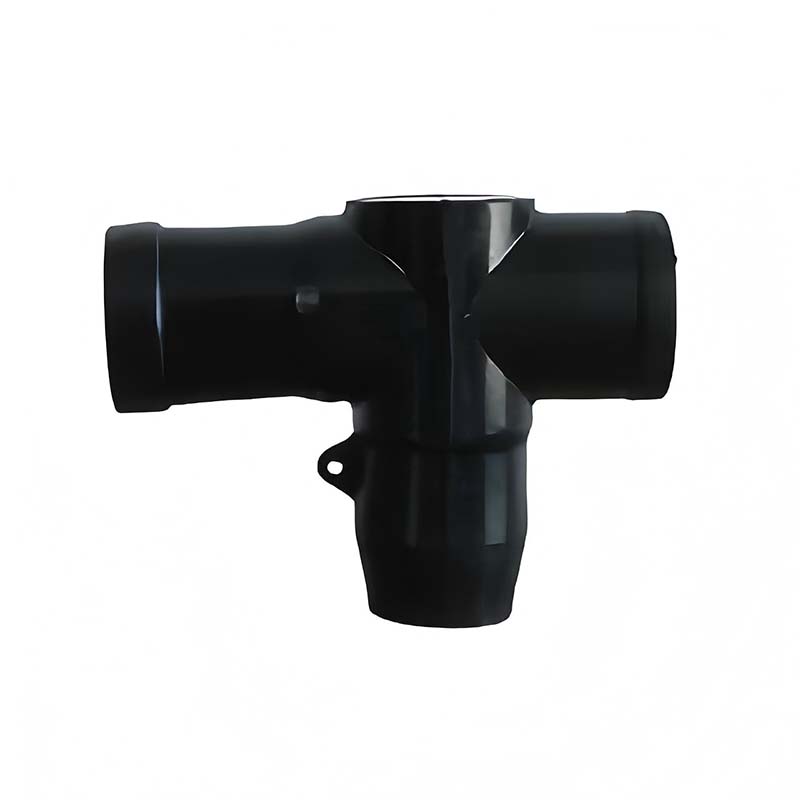
“T” type connector
The T-plug connector is a fully insulated and sealed cable connector widely used in medium and high voltage power supply systems. Thanks to its T-shaped design, it allows for quick connection and disconnection of cables to equipment. Its main features include electrical stability and environmental adaptability. It is widely used in ring network distribution cabinets, branch cables and other systems.
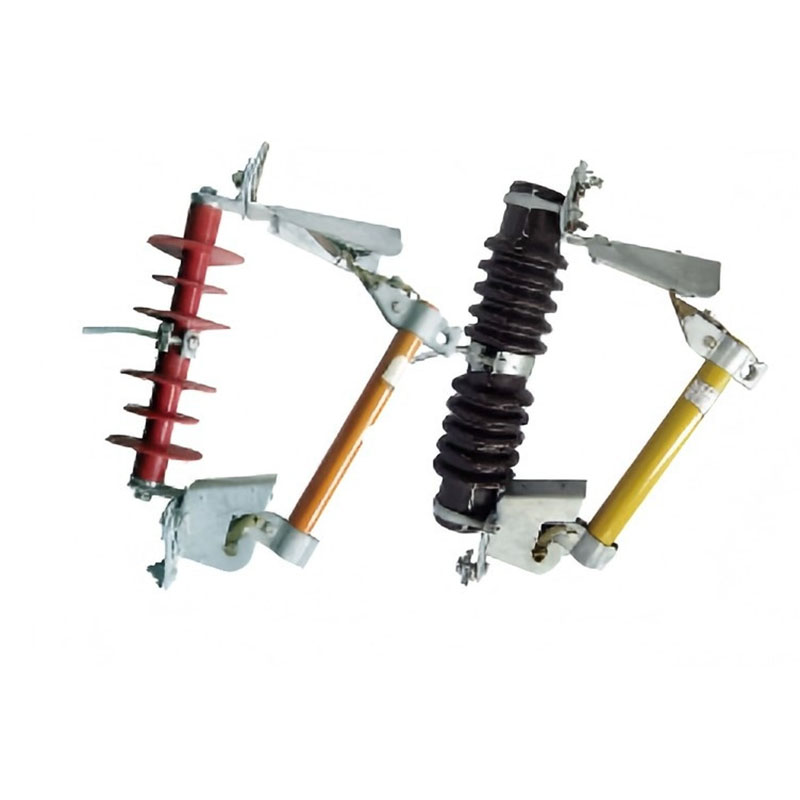
Fuse-(H)RW7-15kV
Main Functions Short Circuit Protection: The fuse melts quickly, cutting off short circuit current, protecting transformers and transmission lines. Overload protection: achieving delayed melting due to the thermal accumulation effect of fuses, which meets the requirements of equipment overload. Load current switching: Supports manual switching of rated load current (≤100A), easy to operate.
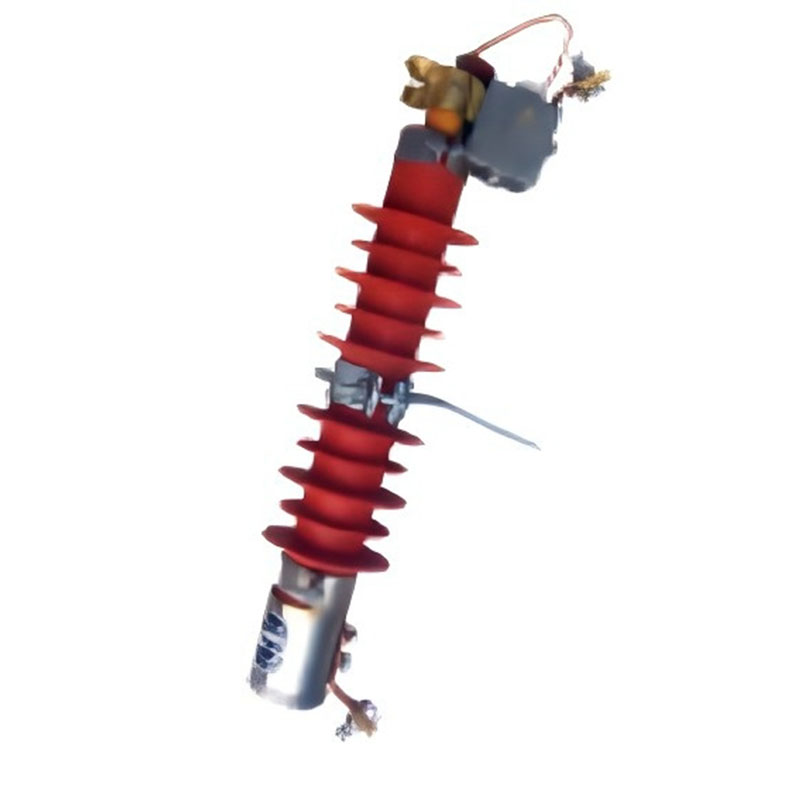
Fuse-HPRWG2-15 kV
Specially designed for 35kV power systems, it has short circuit, overload and load current switching protection functions, suitable for harsh environments such as wind farms and power lines
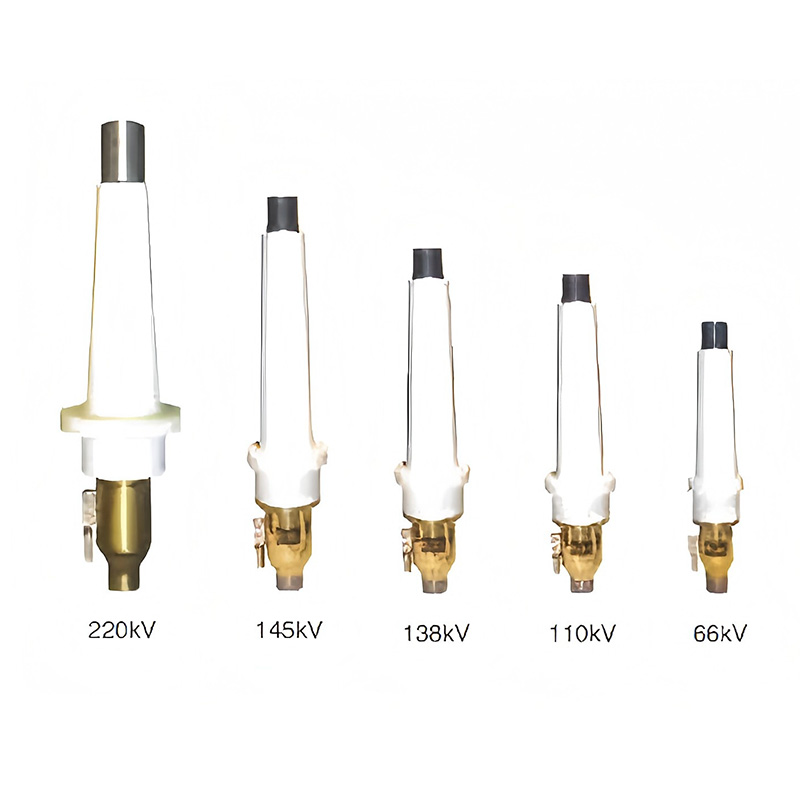
GIS terminal
The gas insulated switchgear terminal (GIDU), also known as the GIRU cable terminal, is a critical element for connecting high voltage cables to GIRU equipment. Sulfur hexafluoride (SF6) is used as external insulation and the device is enclosed in a metal housing.
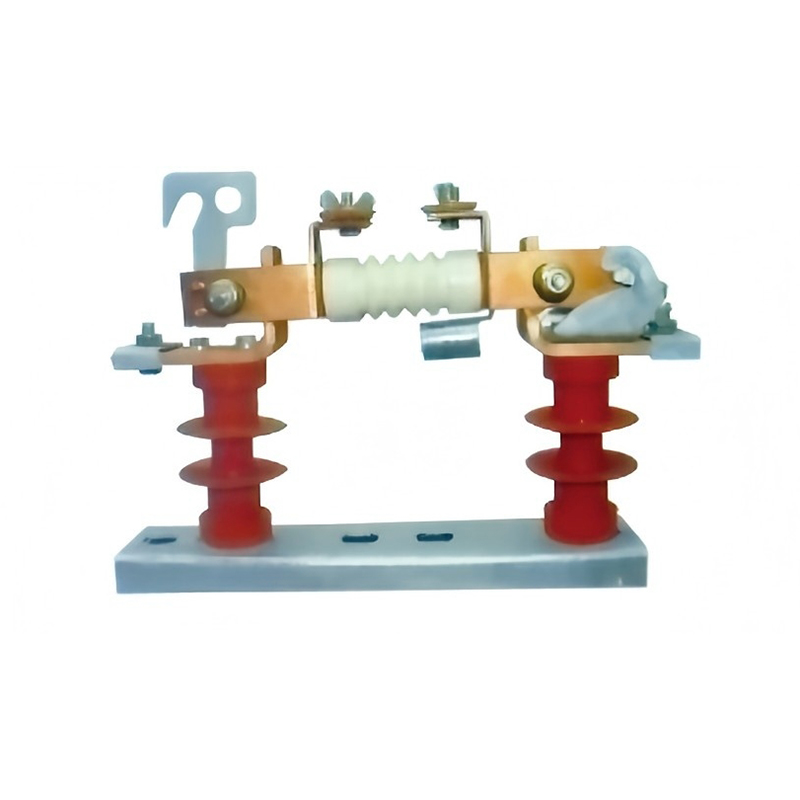
disconnector-HJDW6-0.5630~2000
HJDW6 series is a low voltage fused isolation switch designed specifically for 50Hz AC distribution lines with rated voltages of 500V and below. Mainly used for short circuit, overload, open circuit and short circuit protection under no-load conditions on the low voltage side of transformers
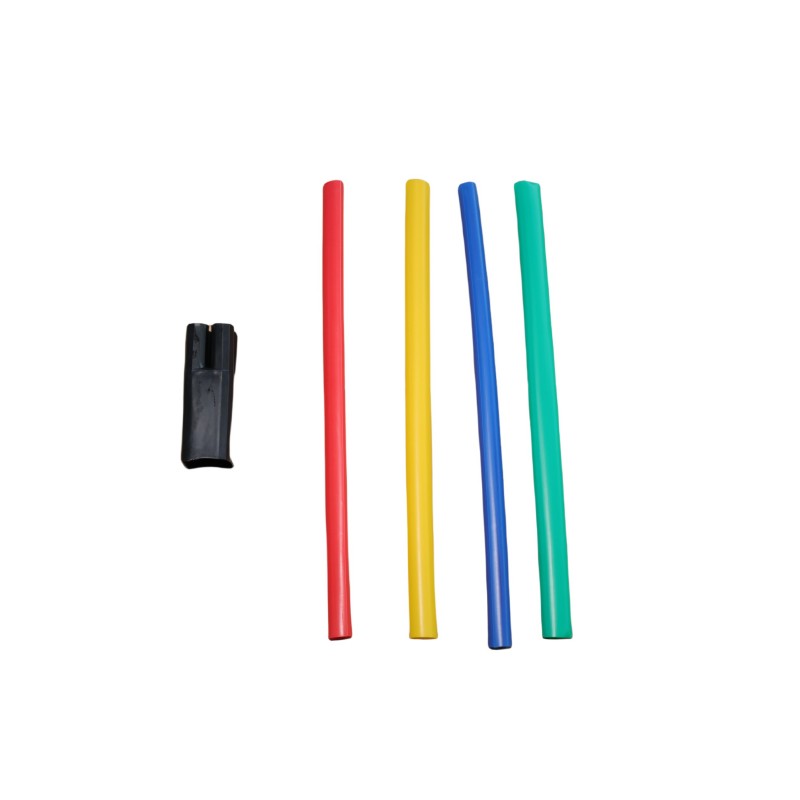
Heat-shrinkable end coupling 1 kV
1kV heat shrink cable terminal is the main component for connecting low voltage cables, suitable for insulation processing and protection of 0.6-1kV cross-linked cables. It achieves sealing and strengthening the insulation between the cable and the terminal by heating heat shrink, and has the characteristics of small size, easy installation and wide environmental adaptability
Middle cold-shrinkable coupling 33 kV
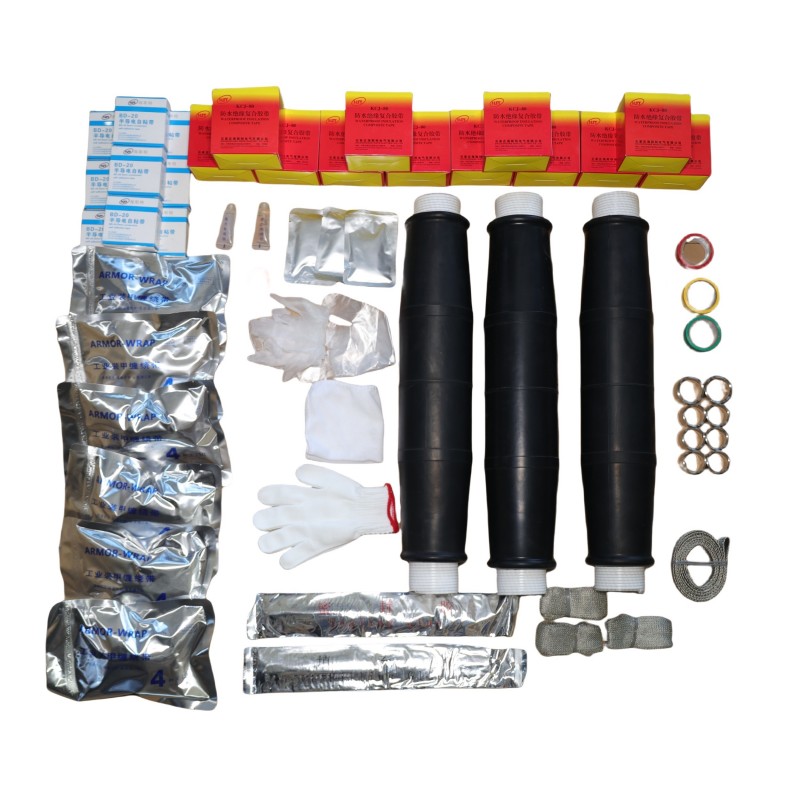
Suitable for 33kV AC three-phase systems, designed using double-layer cold-shrink silicone tube with built-in stress cone to distribute the electric field evenly, local discharge capacity ≤ 10 pC; The connection of conductors is carried out by crimping, and the copper tube is suitable for cable cross-sections from 50 to 1000 mm².
Switch-(H)GW1-15
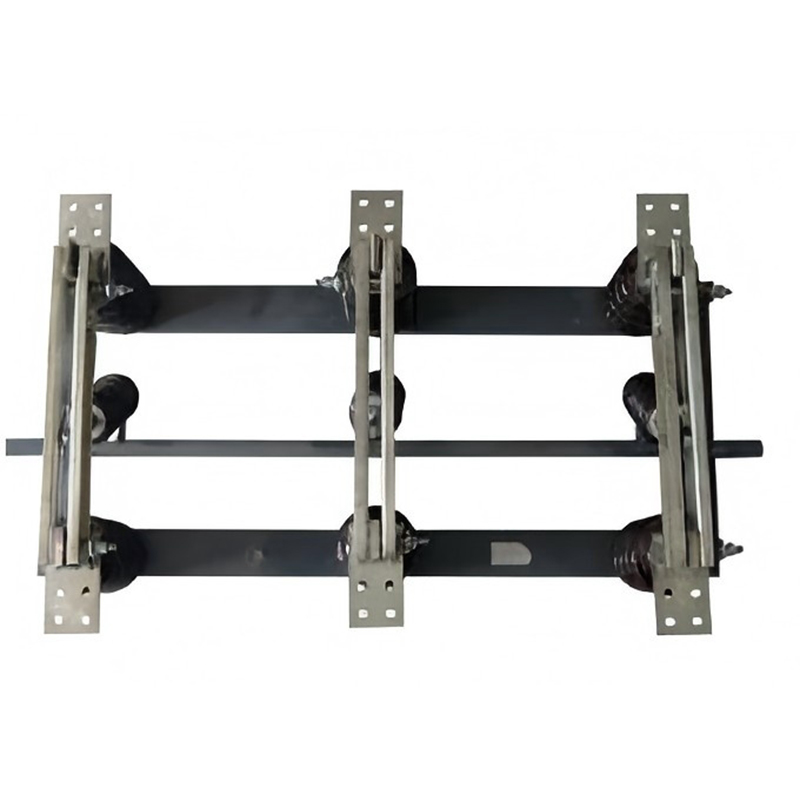
Isolation switch GW1 is a switching device mainly used for 15kV transmission lines, designed for “power supply isolation, switching, connection and disconnection of small current circuits”, without arc suppression function.
Switch-(H)GW4-15
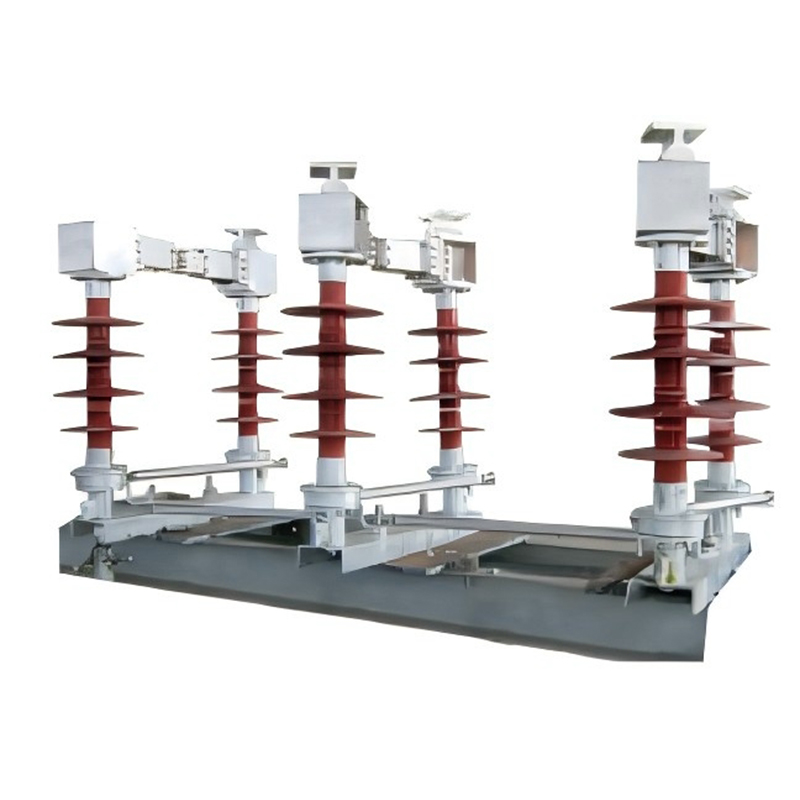
GW4 series disconnect switches are outdoor high-voltage switchgears widely used in power systems, mainly for voltage isolation and safety protection in electrical equipment maintenance.
Middle cold-shrinkable coupling 110 kV
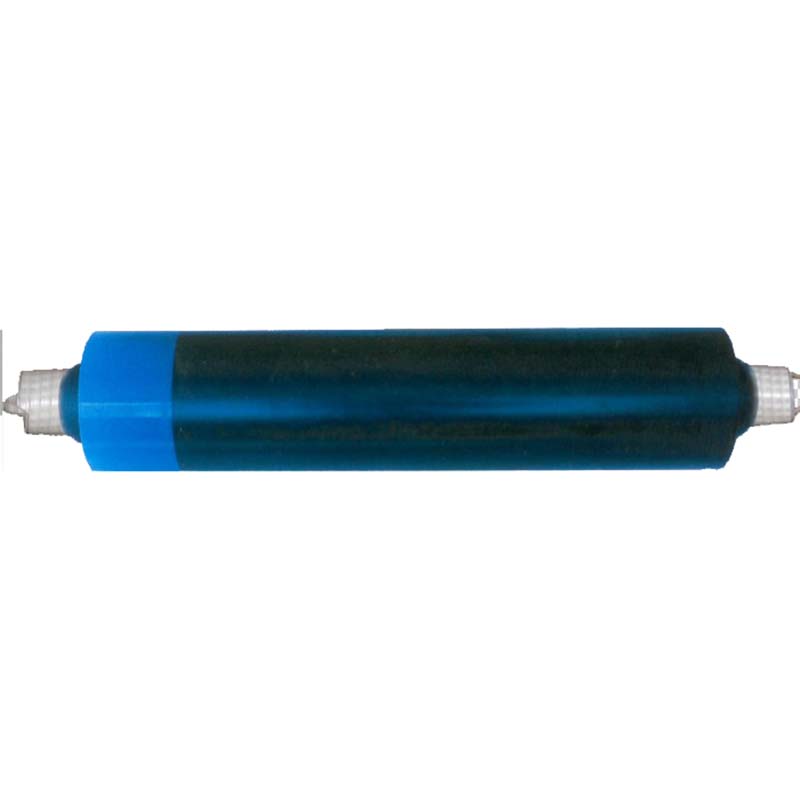
Intermediate cold shrink couplings for voltage 110 kV are ready-made insulating products designed for connecting cable lines with voltage 110 kV. They provide elastic shrinkage thanks to cold shrink technology, providing reliable insulation, sealing and mechanical protection. Their main characteristics include low maintenance, ease of installation and a high degree of adaptability, allowing them to be widely used in tunnels, substations and other places.
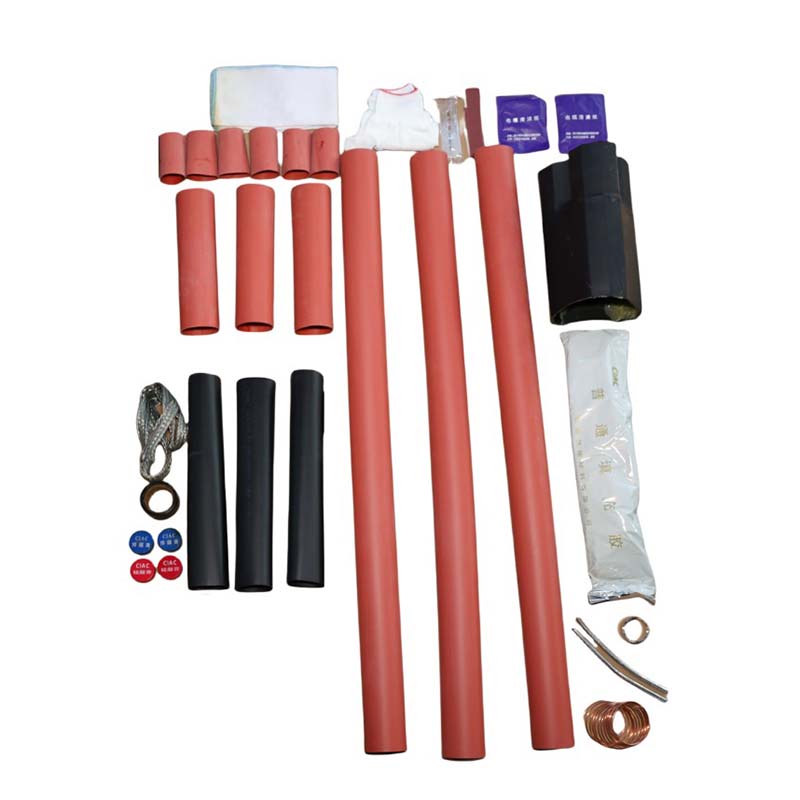
Heat-shrinkable end coupling 33 kV
33KV heat shrink cable terminals are mainly used for terminal sealing, insulation protection and electric field control of XLPE or oil immersed cables in medium and high voltage power systems, suitable for indoor and outdoor power plants, substations, industrial equipment and other fields. Its main functions include sealing, moisture protection, insulation protection and voltage dissipation.
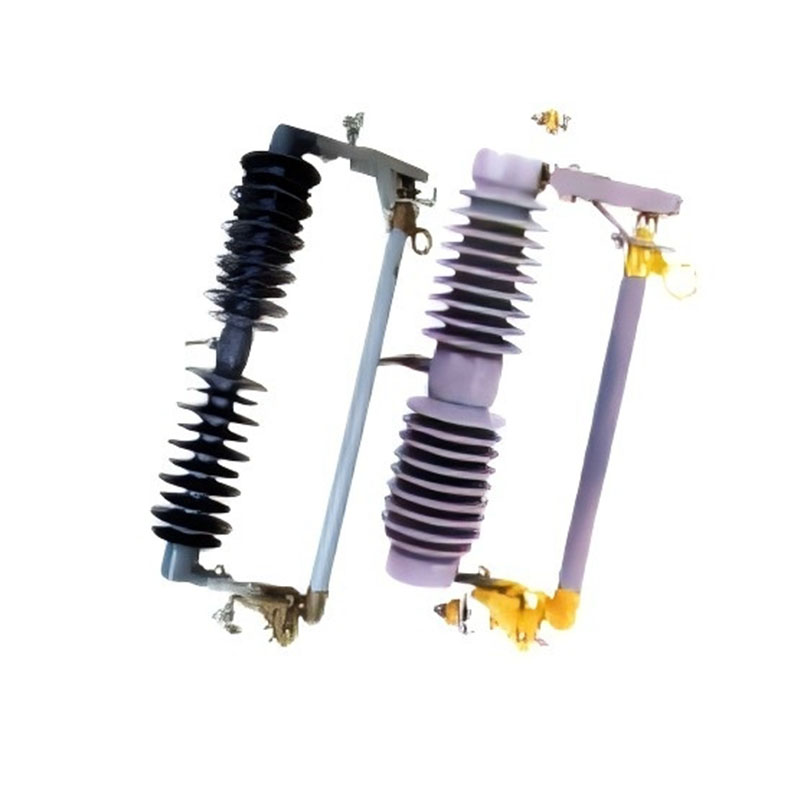
Fuse-(H)RW12-35kV
Specially designed for short circuit and overload protection of distribution lines and transformers, with the function of splitting and combining load currents, suitable for protecting power equipment on overhead lines and in harsh environments
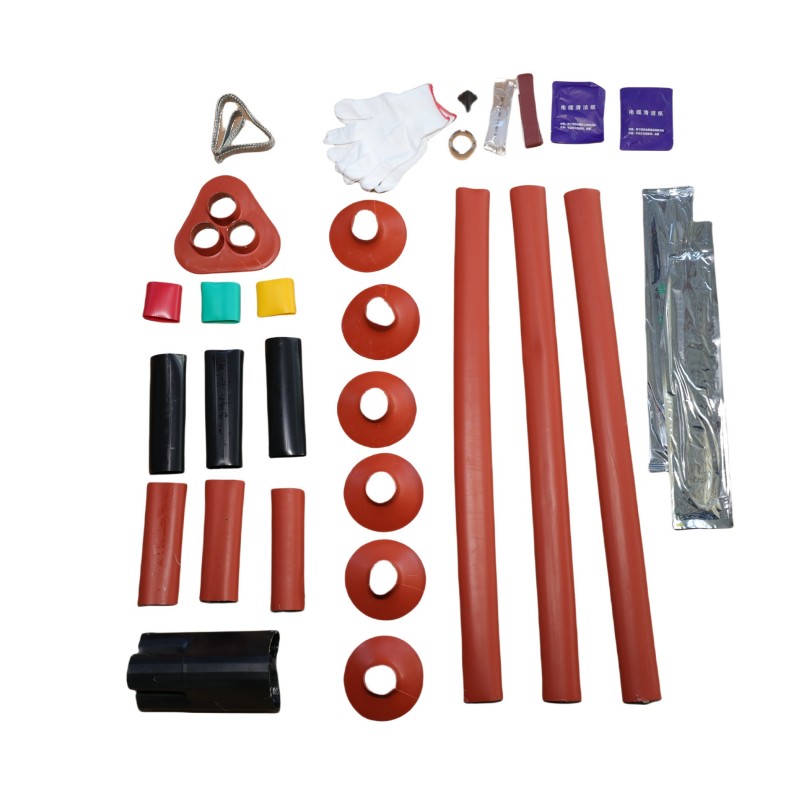
Heat-shrinkable end coupling 10 kV
Heat shrink terminals, commonly known as heat shrink cable heads, are widely used in the terminals of crosslinked cables or oil immersed cables, with a voltage level of 10KV. It can be divided into "indoor style" and "outdoor style".


