


Products






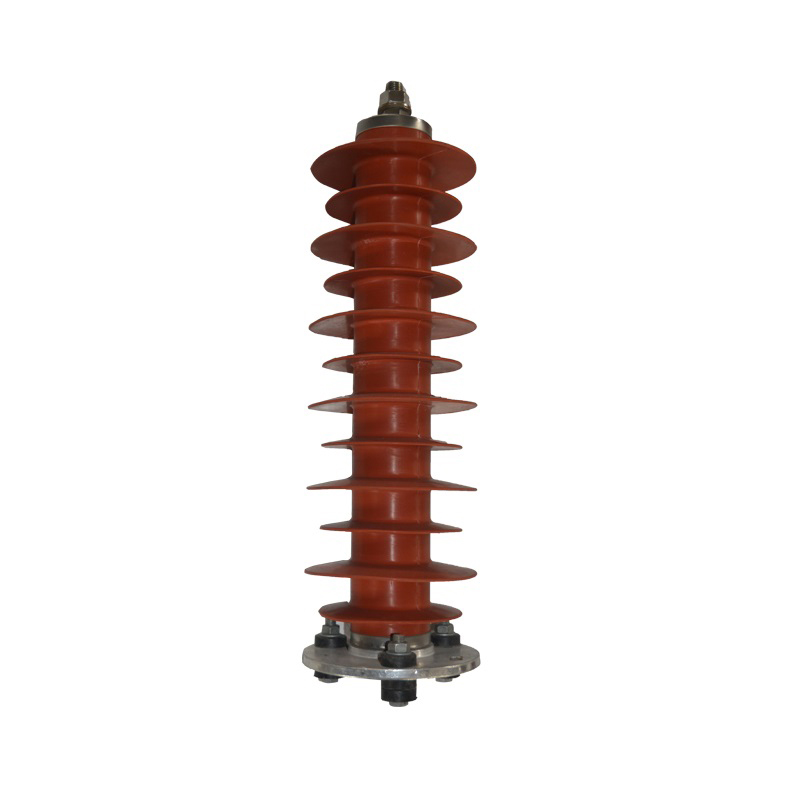
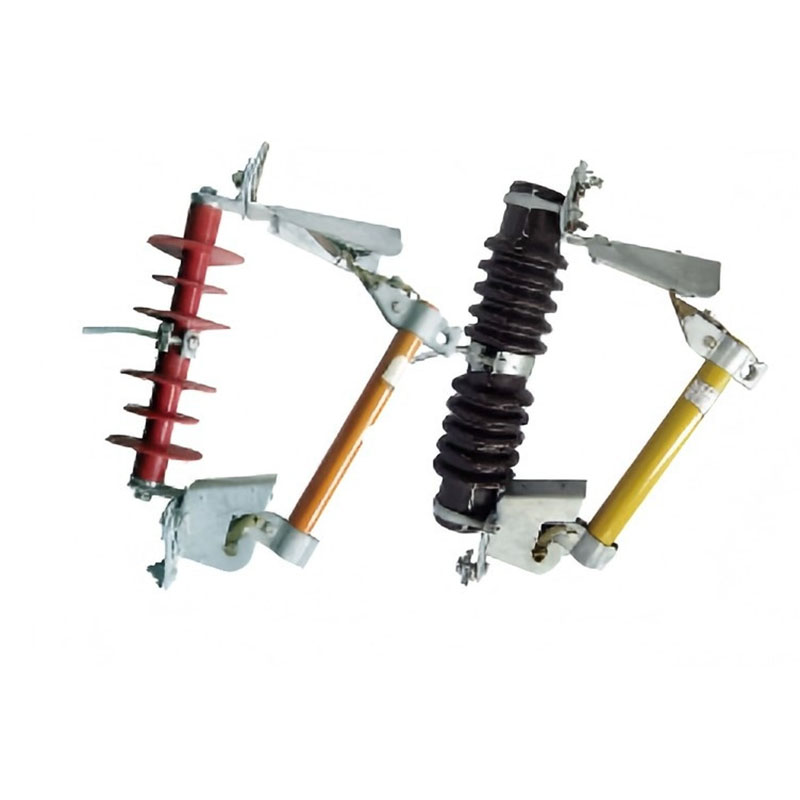
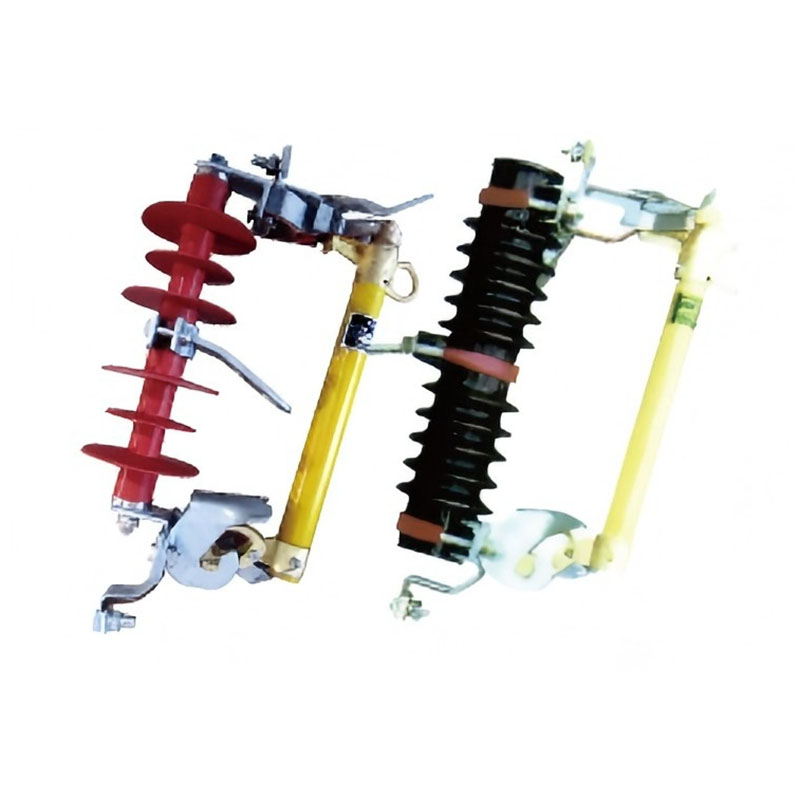
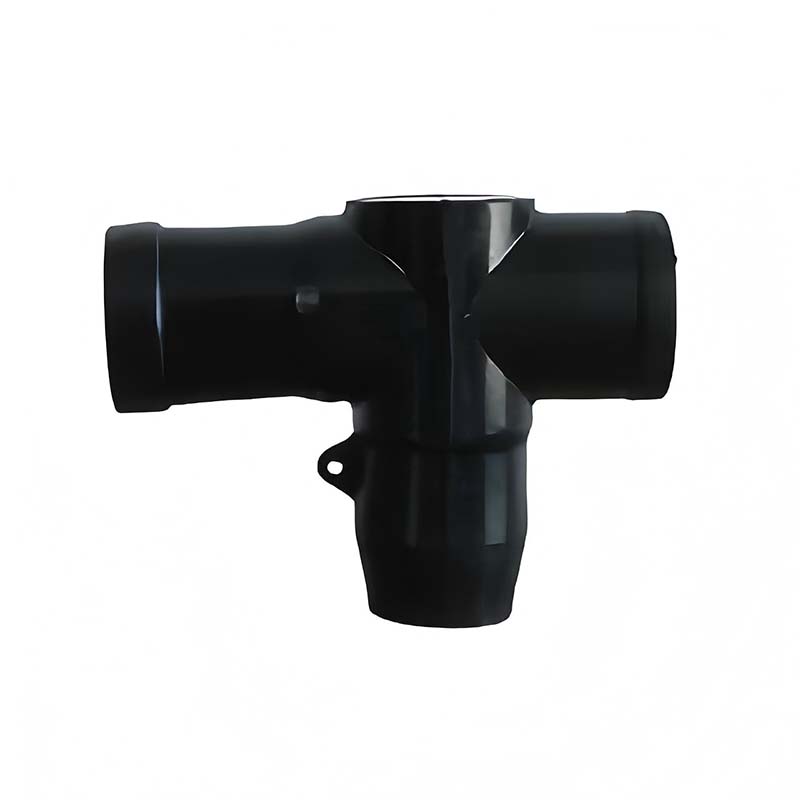
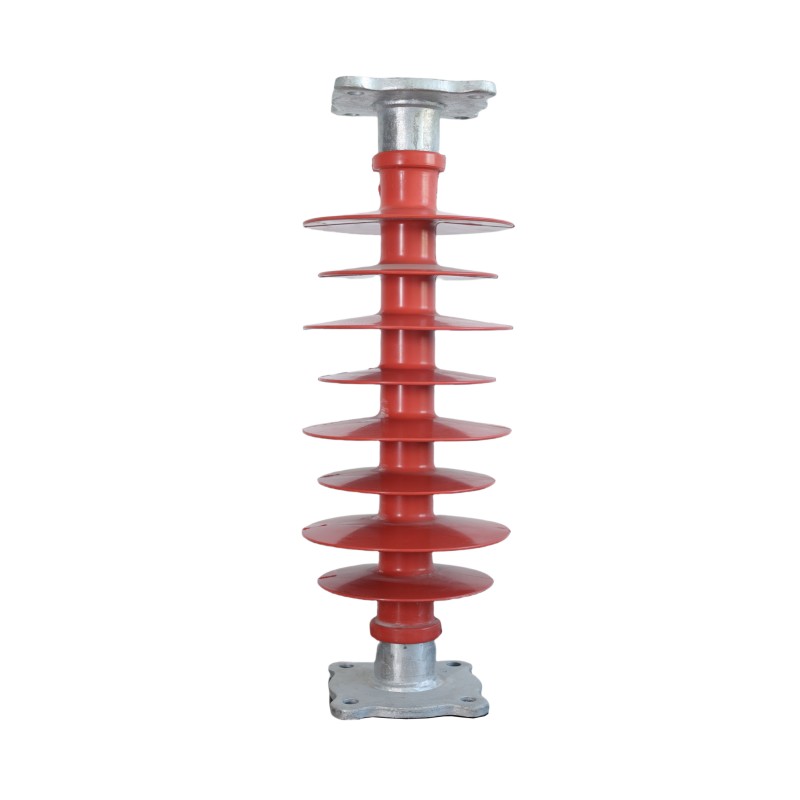
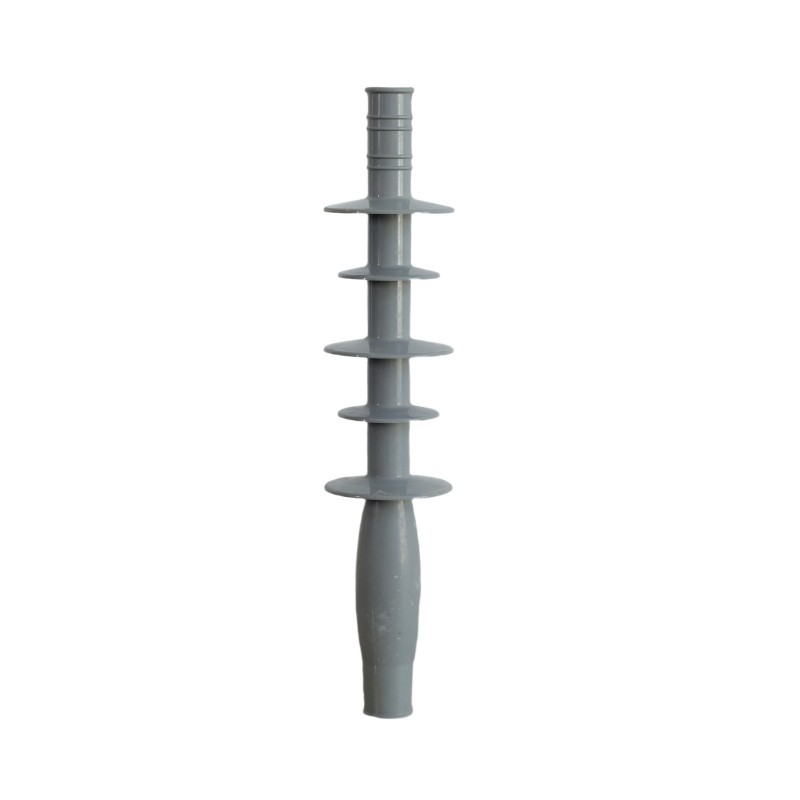
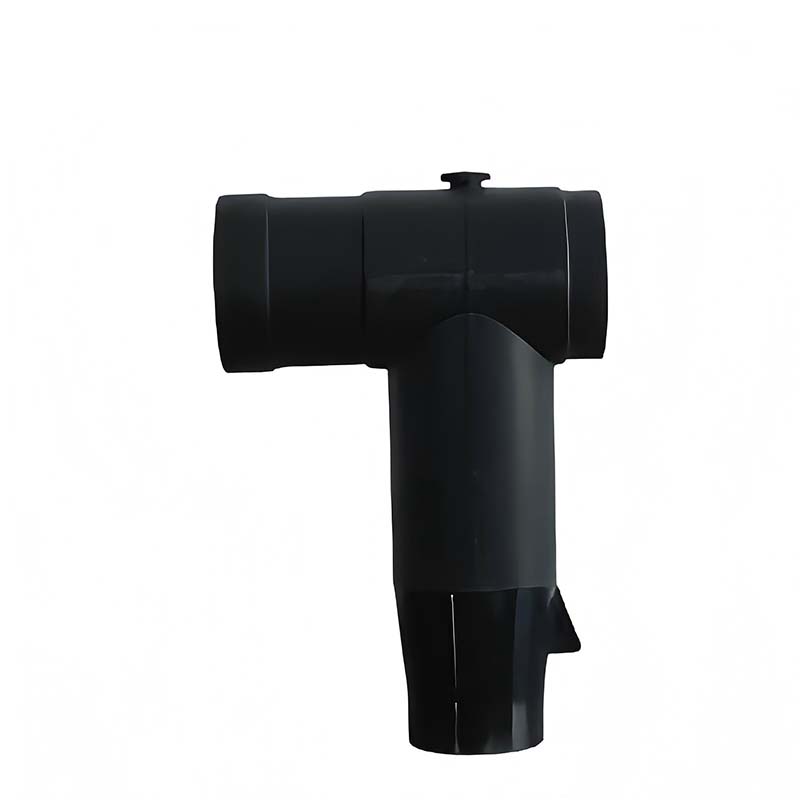
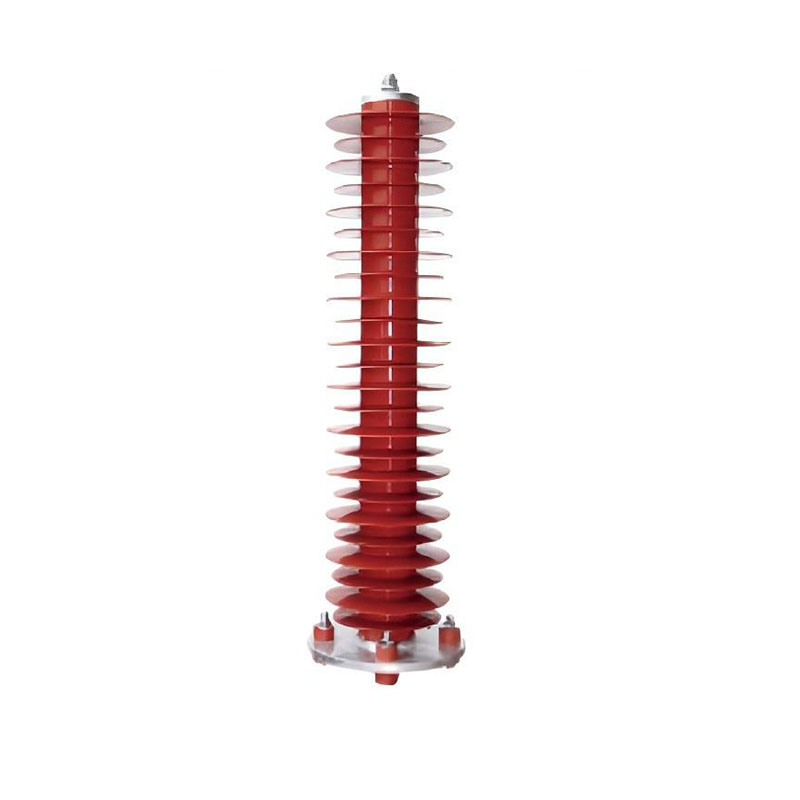
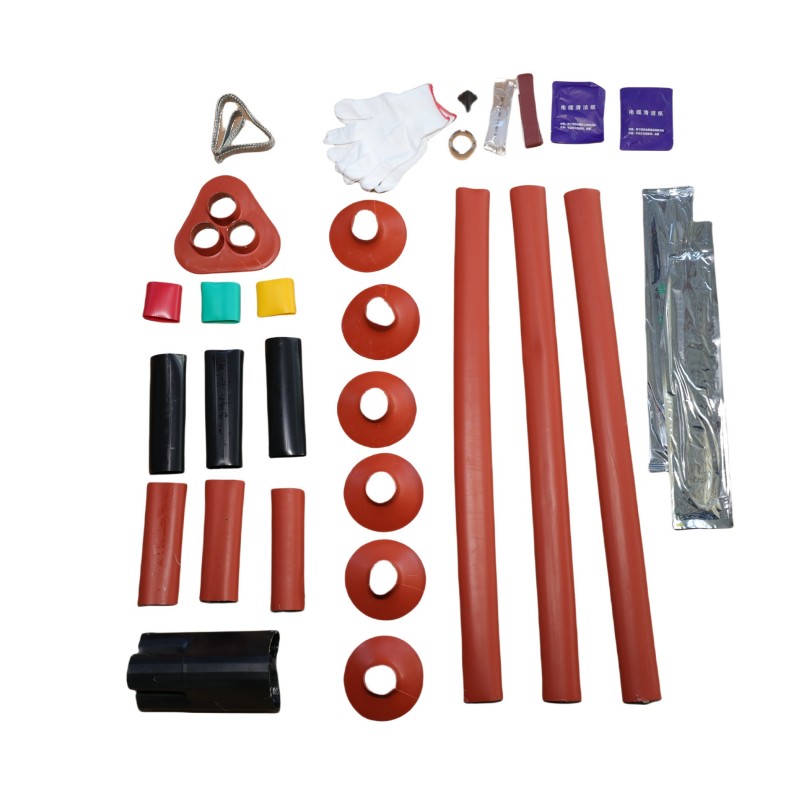
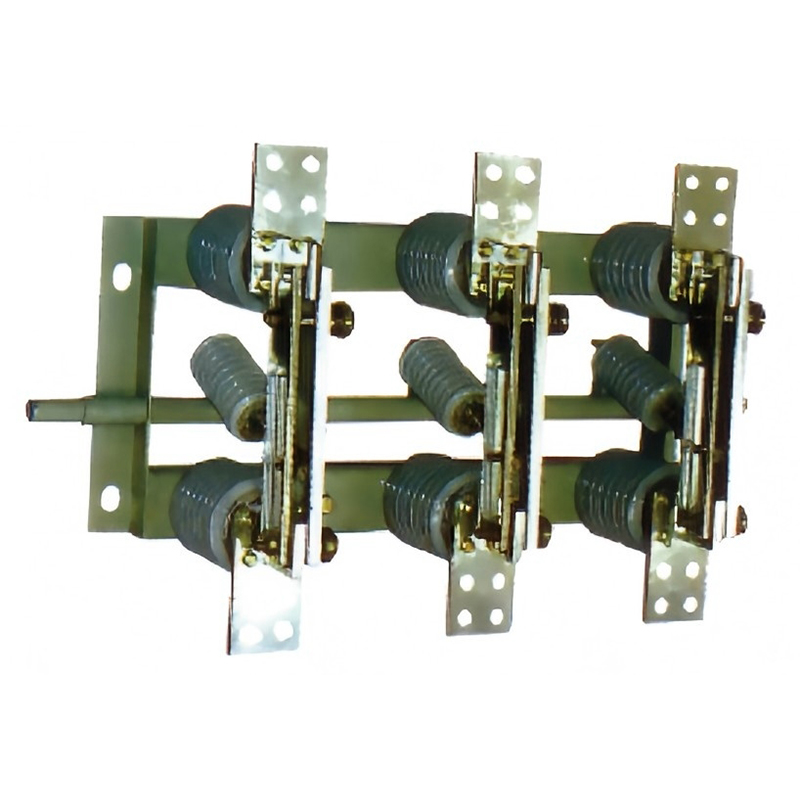
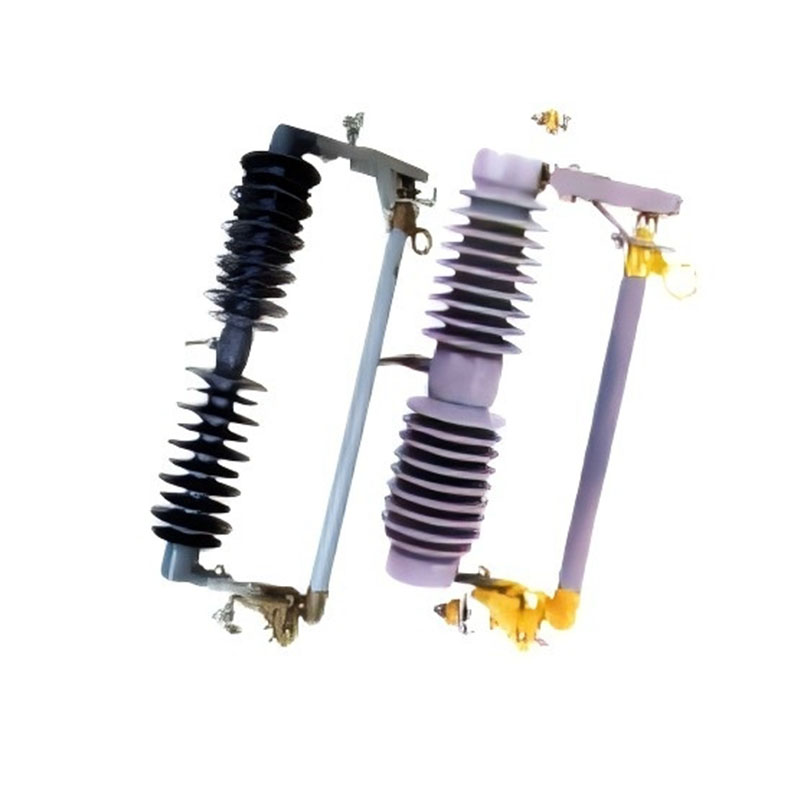
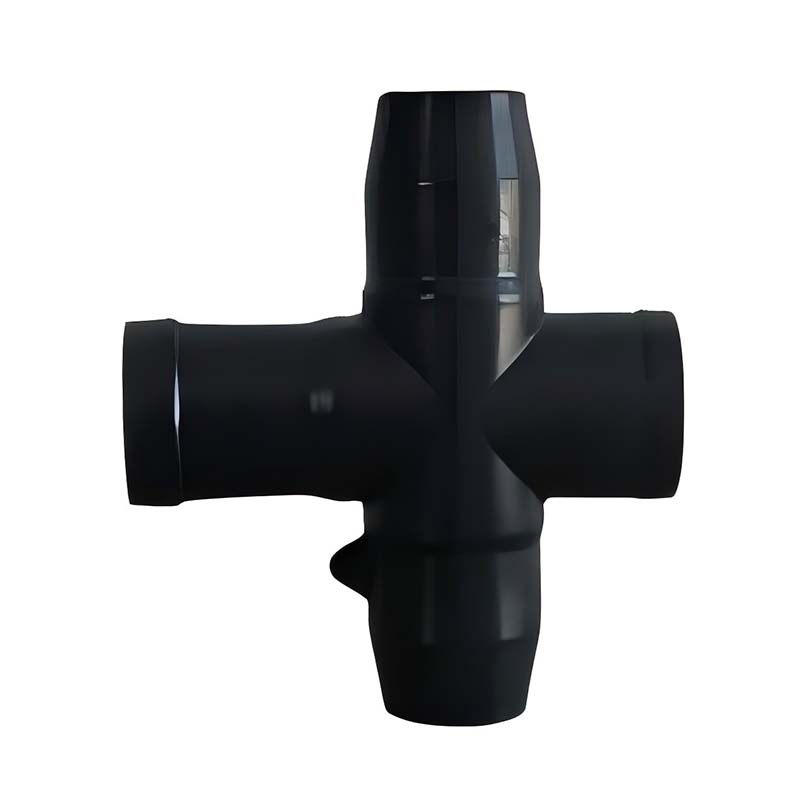
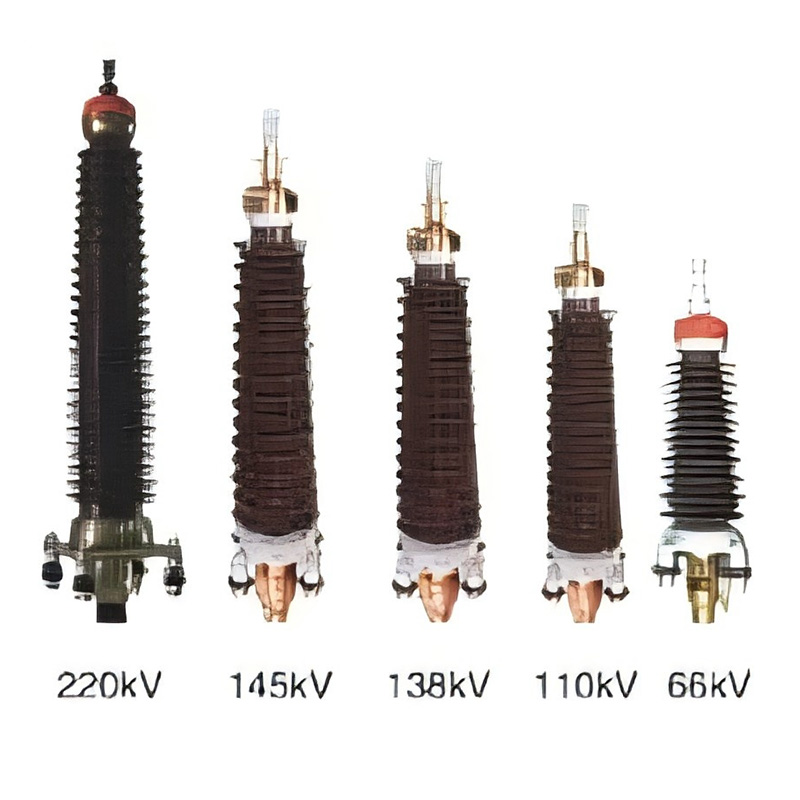
Terminal made of ceramic-silicon-rubber composite material
The composite termination (terminal) is usually installed outdoors and serves as a termination device for high-voltage cables. Its main function is to connect underground or ducted high-voltage power cables to overhead power lines or key substation equipment such as transformers and switching devices.
Description
marker
Product Details
The composite termination (terminal) is usually installed outdoors and serves as a termination device for high-voltage cables. Its main function is to connect underground or ducted high-voltage power cables to overhead power lines or key substation equipment such as transformers and switching devices.
In particular, it is used in two main cases:
· Connection to overhead lines (on supports):Most often it is installed on power transmission line supports, where it is connected through the upper movable clamp to the overhead line wires, ensuring the transition of the circuit from the underground to the overhead section.
· Connection of substation equipment:installed on the territory of a substation to connect cables to main equipment, such as transformers and various switching devices (for example, switchgear).
- In addition to these two main applications, in some cases the product can be used for other cable connection tasks.
Thus, this device can be considered as a vital “link” that ensures the safe connection of high-voltage cables to overhead lines, transformers or switching devices.
The product is characterized by high mechanical strength, excellent hydrophobic properties and resistance to overlapping when dirty. It provides reliable sealing and high weather resistance. Due to its ease of installation and low maintenance costs, this coupling is especially suitable for high-voltage power lines operating in high altitude, heavily polluted and high-humidity environments. Optimizing the distribution of the electric field increases the operational stability and reliability of the power system. This is an ideal solution for the new generation of external insulation equipment in the power industry.
contact us
Related Popular Products
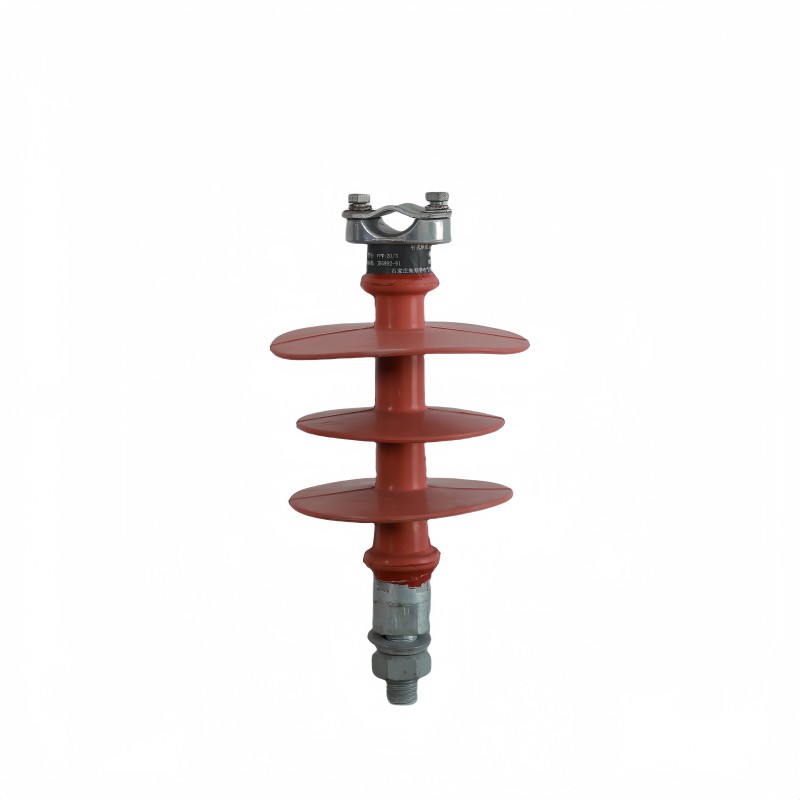
Pin insulator 10 kV
The product includes a fiberglass and epoxy resin rod, a silicone rubber protective skirt, and metal connectors (such as fittings). Process Features: The silicone rubber protective skirt is made by injection molding to improve the electrical insulation of the interface; the metal reinforcement is connected to the core by crimping to provide flexural strength.
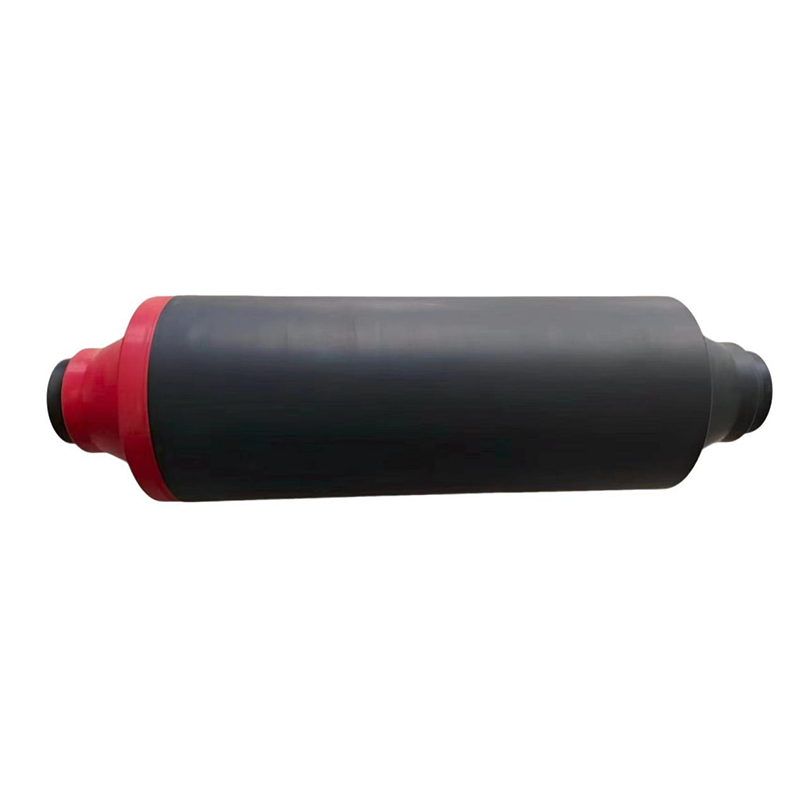
Heat shrink cable connector 230 kV
The 230 kV cable intermediate connector, whose voltage typically corresponds to the 127/220 kV rated voltage, is a critical component in high-voltage power transmission lines. It is mainly divided into two functional types and widely used in prefabricated structure.
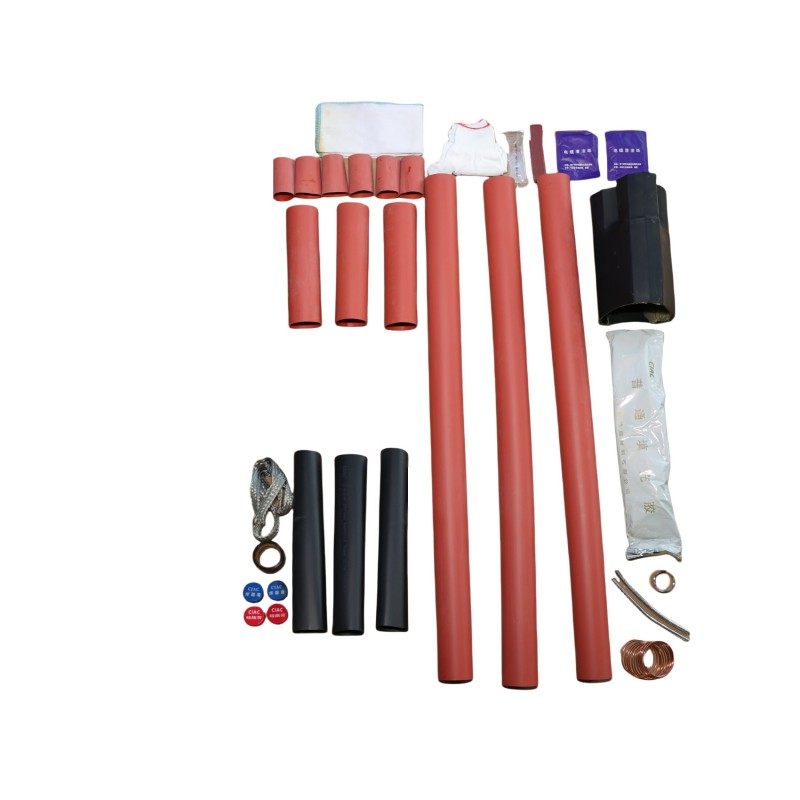
Heat-shrinkable end coupling 24 kV
24kV heat shrink cable terminal is a key component used to connect the terminals of 24kV voltage level power cables, mainly to achieve cable terminal sealing, insulation protection and voltage control
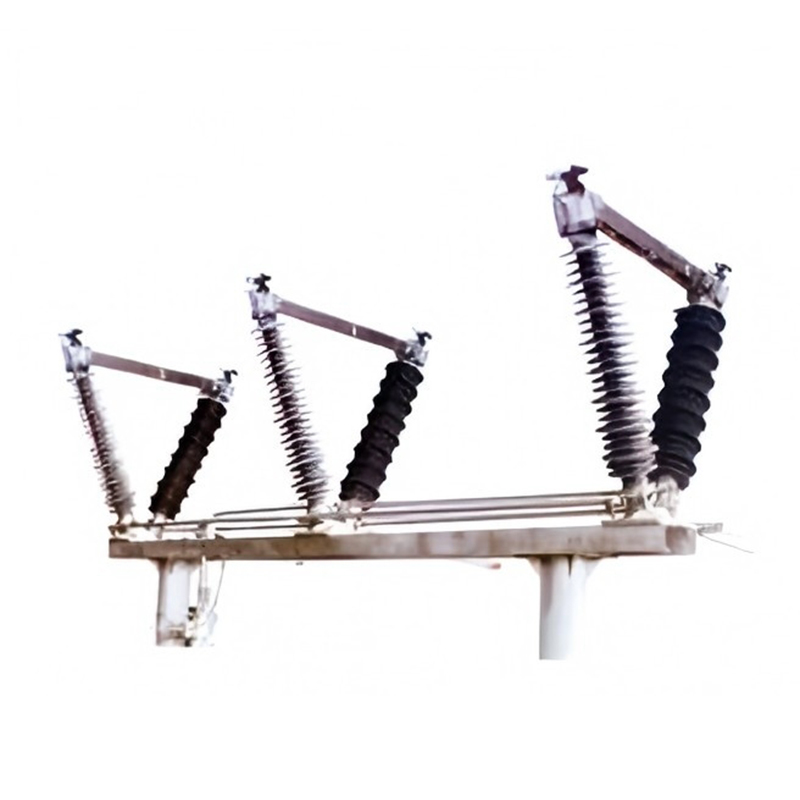
Disconnector-(H)GW5-126kV(138kV)
GW5 Isolation Switch 126-138KV Isolation Switch (also known as Disconnector) Rated Voltage: 126KV, Suitable for Three-Phase AC 50Hz High Voltage Transmission System, Support Outdoor Operation in Difficult Environment
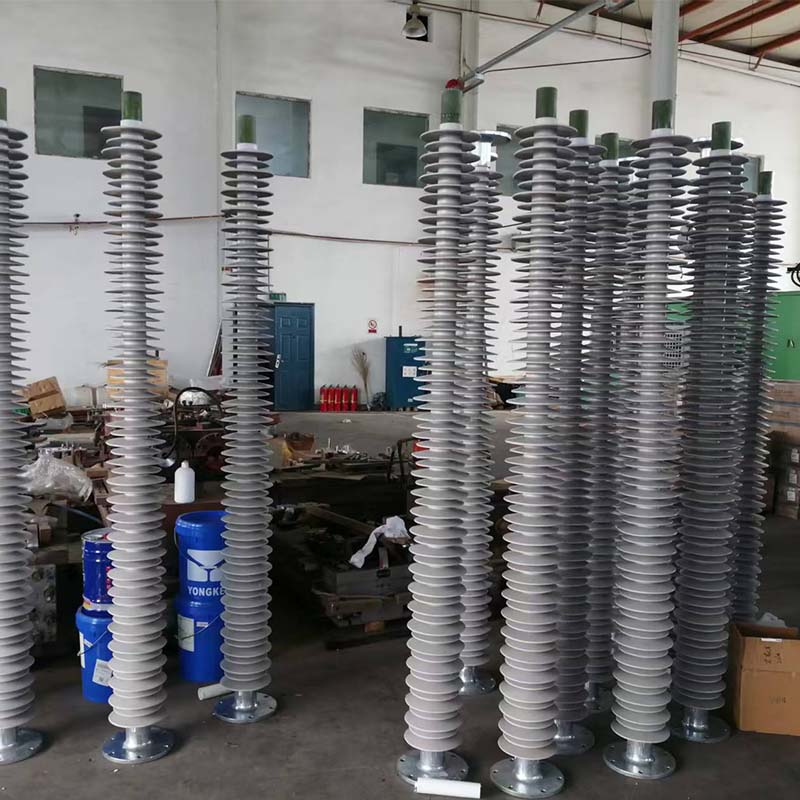
Support insulator 220 kV
220KV Composite Column Insulators are high voltage insulation equipment made of silicone rubber as the core combined with fiberglass rods and metal accessories, specially designed for power transmission lines and substations.
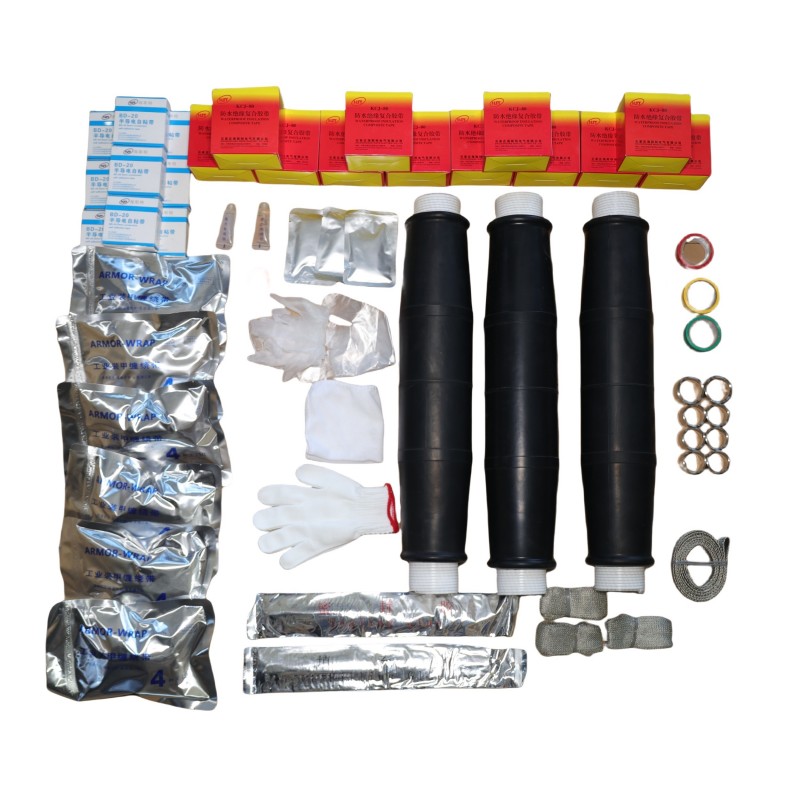
Middle cold-shrinkable coupling 33 kV
Suitable for 33kV AC three-phase systems, designed using double-layer cold-shrink silicone tube with built-in stress cone to distribute the electric field evenly, local discharge capacity ≤ 10 pC; The connection of conductors is carried out by crimping, and the copper tube is suitable for cable cross-sections from 50 to 1000 mm².
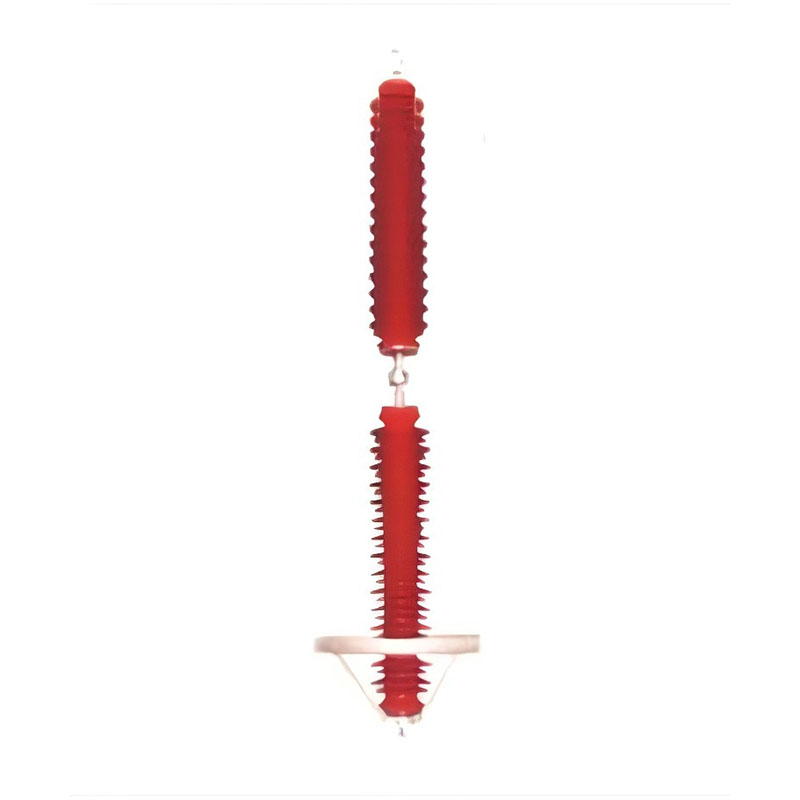
Lightning rod 220 kV
Power plant type: suitable for protecting the incoming line of 220kV substation and the high voltage side of the transformer; Line Type: Suspended structure, built-in disconnector function, used to protect power lines from lightning surge, reducing lightning trigger speed
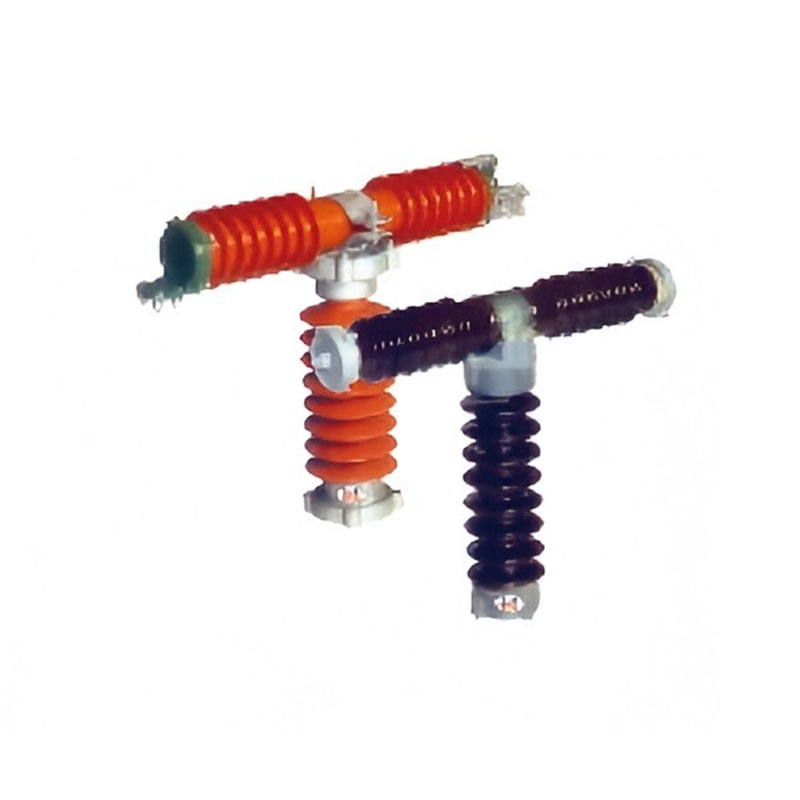
Fuse (H)RWX10-35kV
Mainly used for short circuit and overload protection of power systems 35 kV and below, with high current interruption capability, suitable for protecting equipment in power lines, substations and harsh environments
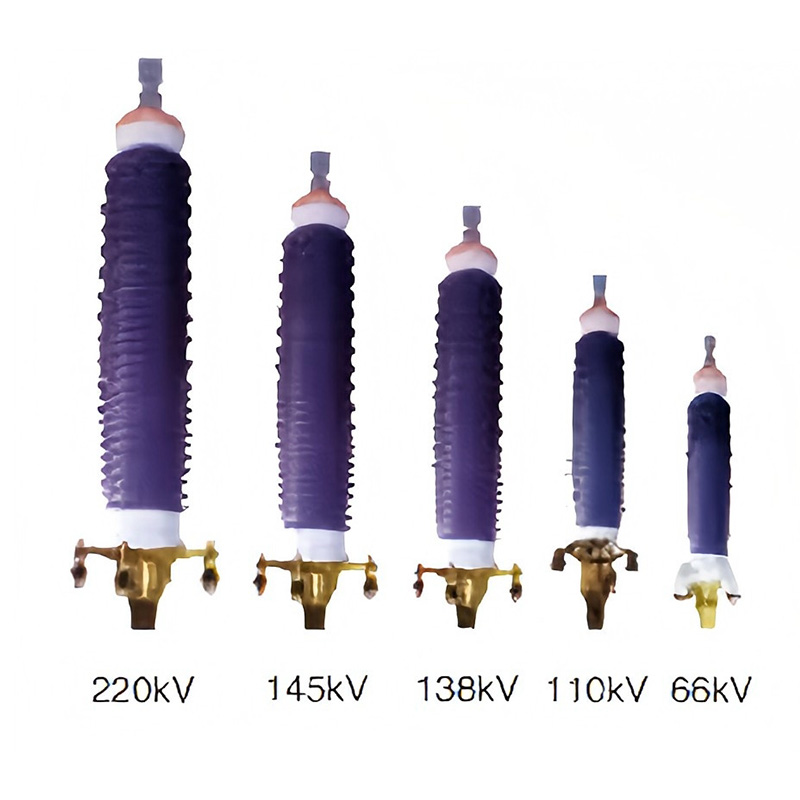
Composite silicone rubber terminal
High safety (explosion protection): this is their main advantage. Silicone rubber is an elastic material; if an internal malfunction occurs, the shell only cracks, preventing an explosion.
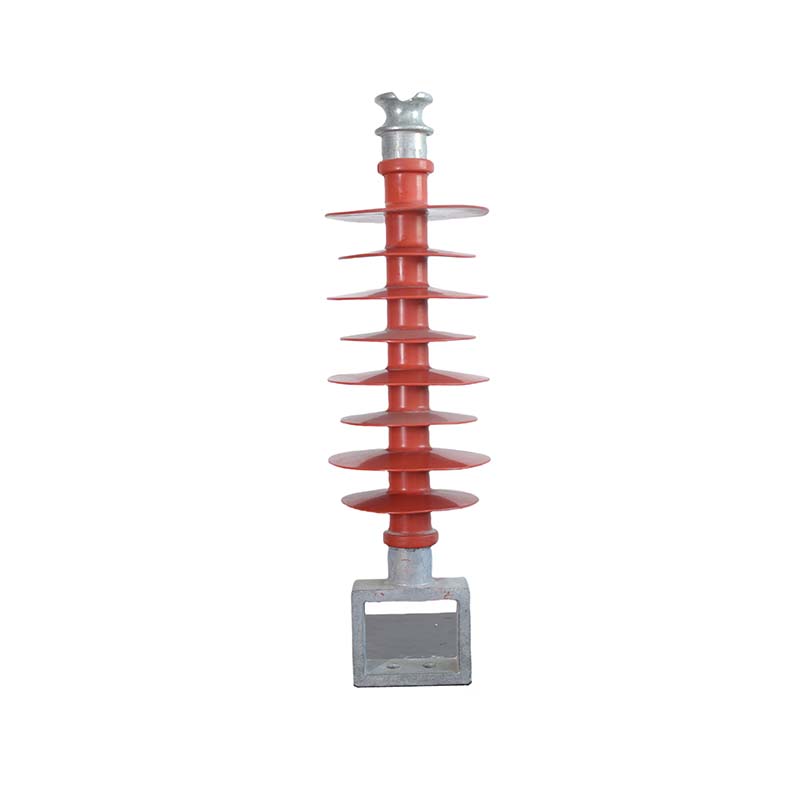
Traverse insulator 35 kV
Featuring a conical or cylindrical design, it serves as crossmember support and insulation, replacing traditional metal/wood crossmembers, reducing support height and simplifying design. Main materials include electrical porcelain and silicone rubber composite, and the grooved surface increases creepage distance and prevents fouling.
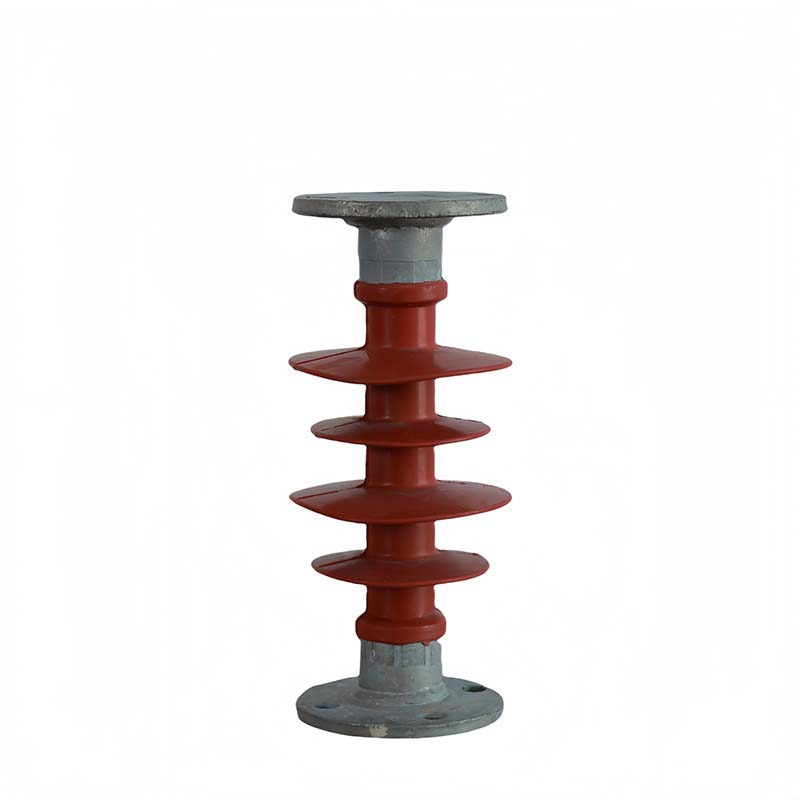
Support insulator 10 kV
Post insulators are usually made of ceramic or epoxy composite materials, have a columnar structure as the main body and a corrugated surface to increase creepage distance and prevent waste water leakage and arcing.
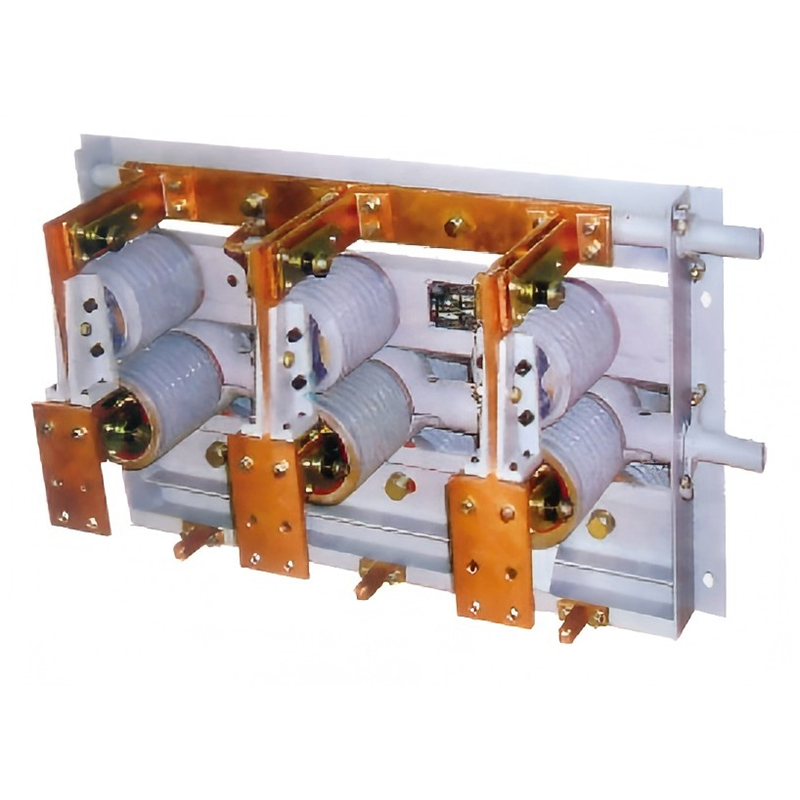
Plug-in switch-GN30-12
The disconnector type GN30-12 is a rotating contact blade for indoor high-voltage switchgear, suitable for power systems with 50 Hz alternating current and 12 kV rated voltage. It is mainly used to open and close circuits under no-load conditions to achieve electrical isolation. Its compact design is suitable for installation in high-voltage switchgears, improving distribution system space utilization
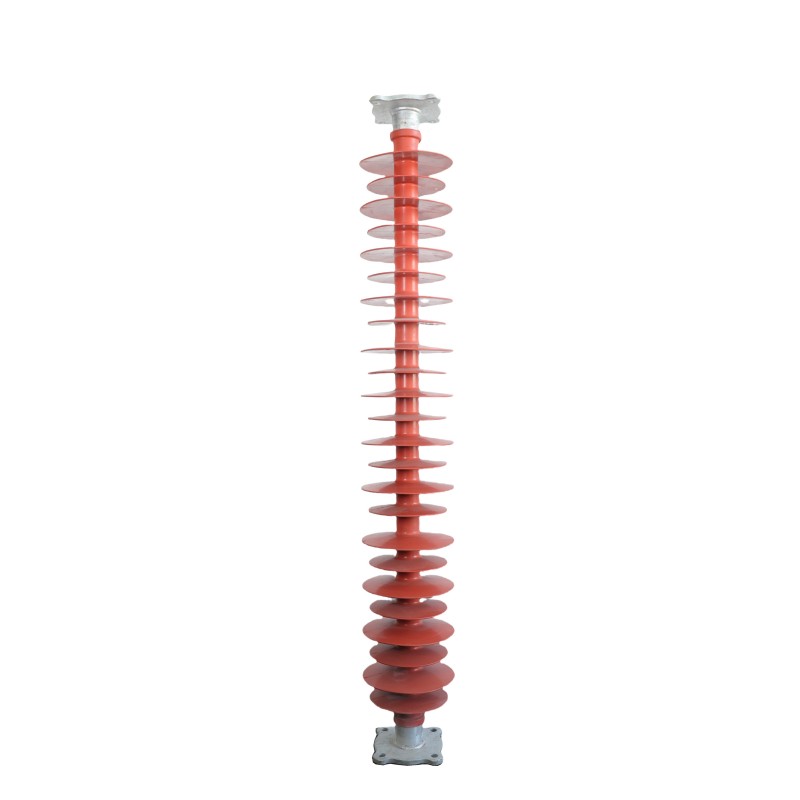
Support insulator 110 kV
110 kV, suitable for high-voltage transmission and conversion systems of three-phase alternating current with a frequency of 50 Hz, ensuring long-term outdoor operation. The rod core is made of glass fiber reinforced resin, and the protective skirt is made of high temperature vulcanized silicone rubber, which is 50% lighter than porcelain and resistant to salt fog, ultraviolet radiation and chemical corrosion. Sealing the ends of the rod using the crimping method prevents moisture from entering the contact area of the rod core.
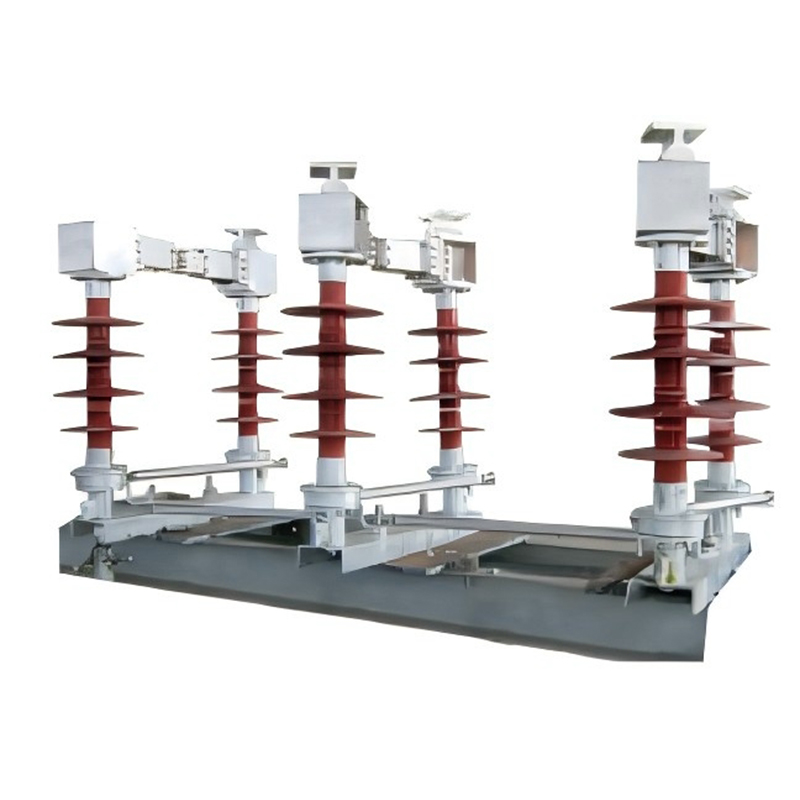
Switch-(H)GW4-15
GW4 series disconnect switches are outdoor high-voltage switchgears widely used in power systems, mainly for voltage isolation and safety protection in electrical equipment maintenance.
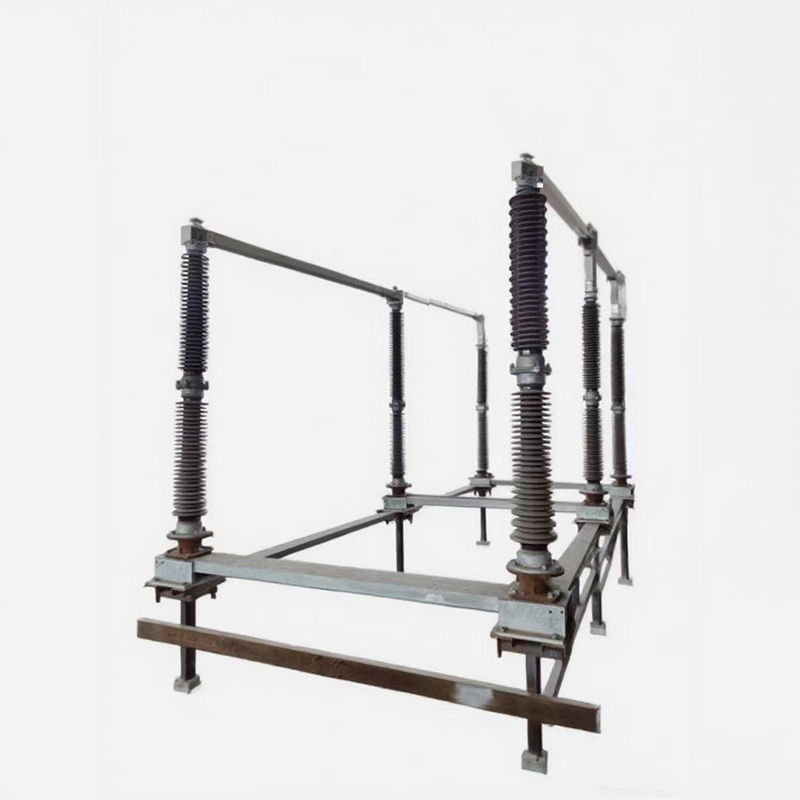
Disconnector-(H)GW4-220kV
GW4-220 isolation switch is an open AC isolation switch designed specifically for 220kV high voltage power systems, mainly used for circuit switching and electrical isolation of equipment under no-load conditions.
Fuse-HPRWG2-15 kV
Specially designed for 35kV power systems, it has short circuit, overload and load current switching protection functions, suitable for harsh environments such as wind farms and power lines


