


Products






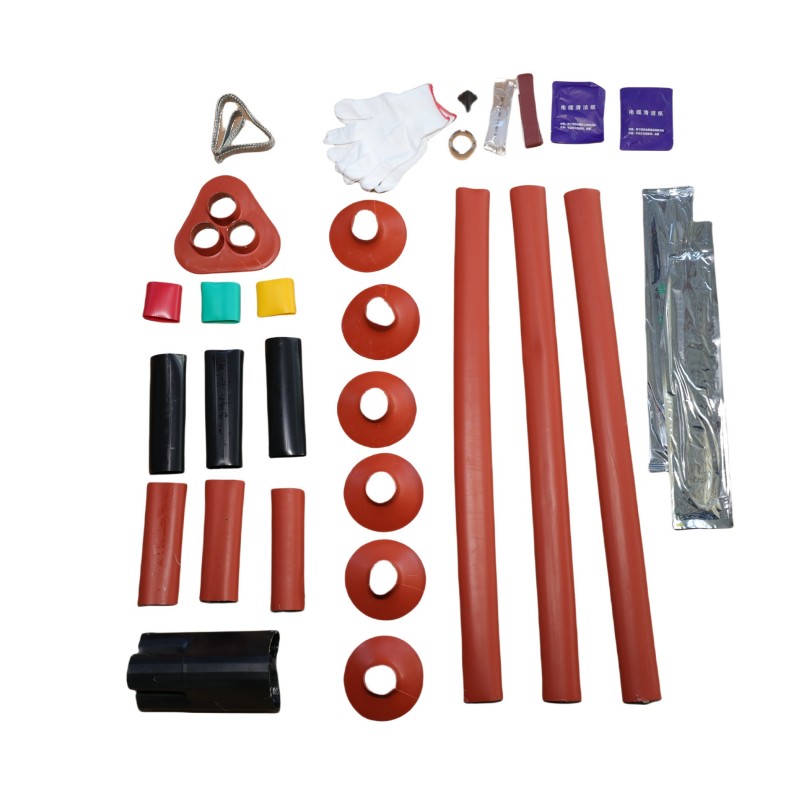
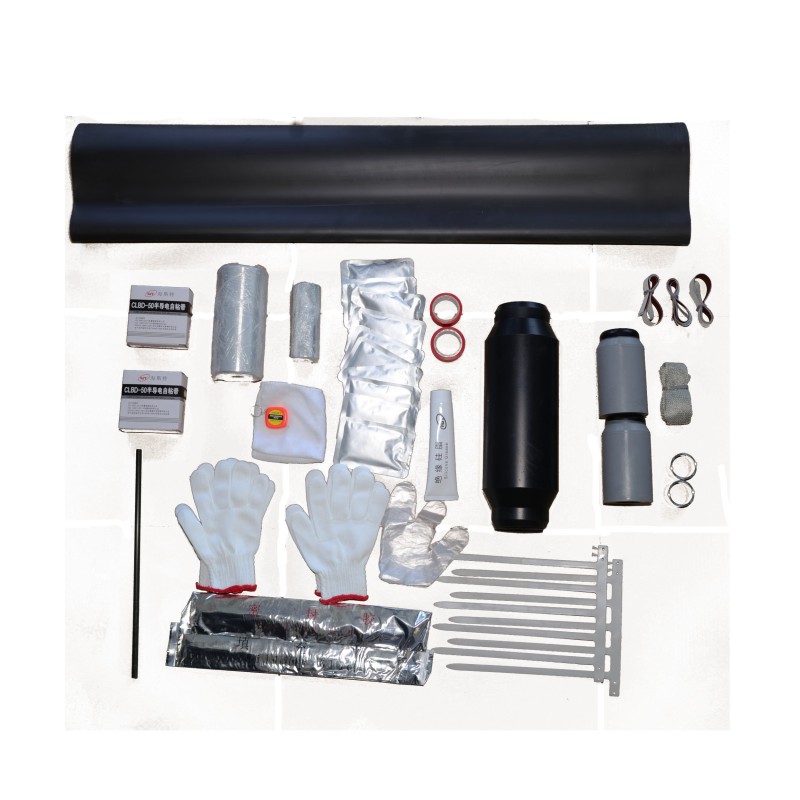
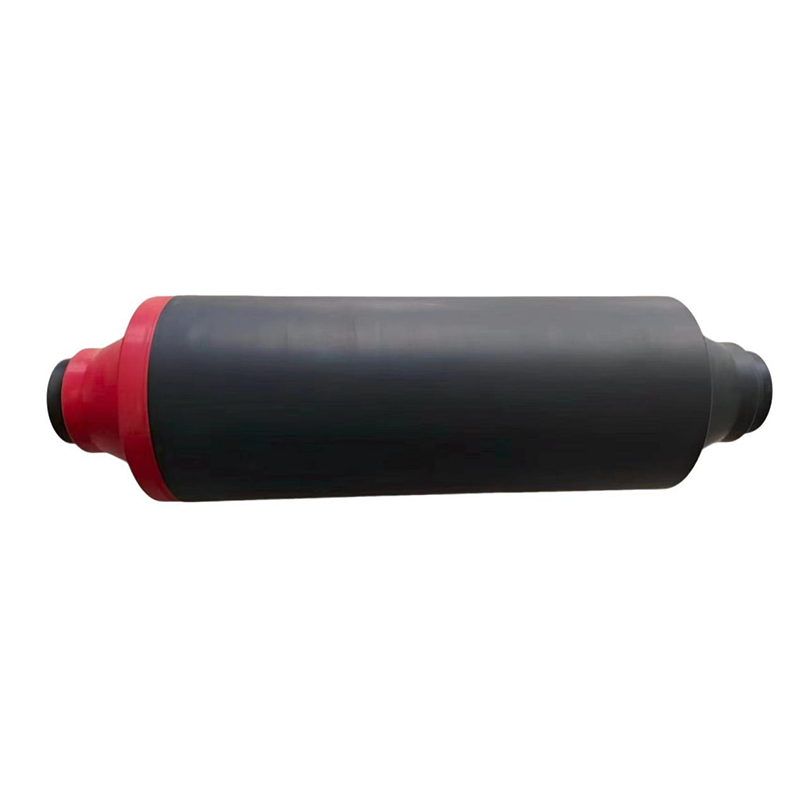
Heat shrink cable connector 230 kV
The 230 kV cable intermediate connector, whose voltage typically corresponds to the 127/220 kV rated voltage, is a critical component in high-voltage power transmission lines. It is mainly divided into two functional types and widely used in prefabricated structure.
Description
marker
Product Details
The 230 kV cable intermediate connector, whose voltage typically corresponds to the 127/220 kV rated voltage, is a critical component in high-voltage power transmission lines. It is mainly divided into two functional types and widely used in prefabricated structure.
1. Main types and differences: Based on different electrical functions, 230kV cable intermediate connectors are mainly divided into the following two types:
- A straight connector is primarily used to connect two sections of cable, providing electrical connection between the conductors while maintaining the integrity of the metal sheath (such as copper tape or lead sheath). It is commonly used in cable lines to increase length.
- Insulation connector. Besides connecting conductors, its key feature is electrical insulation and decoupling of the metal sheath or shielding layer at both ends of the connection. Used in cross-connected high-voltage cable systems to reduce induced voltage in the sheath and circulating current losses, usually used for long distance lines.
2. Design and characteristics:The current main product is a prefabricated modular intermediate connector designed to meet the performance requirements of high voltage cables.
· Main Structure: The connector core is made of high-precision prefabricated components (such as imported EPDM rubber or epoxy resin), and the internal insulation and control elements are pre-molded as one piece at the factory to ensure consistent quality.
Insulation and Shielding: The main body has a completely dry design, eliminating the risk of oil leakage. It uses precisely designed voltage cones to distribute the electric field evenly and prevent partial discharge.
· External protection: Typically equipped with a waterproof fiberglass casing, internally filled with polyurethane or waterproof insulating sealant, it can be directly buried in the ground or installed in cable manholes, effectively resisting mechanical stress and moisture penetration.
3. Product Application: Mainly used for 230kV power transmission lines, suitable for intermediate connections of XLPE insulated power cables, ensuring the reliability and stability of main line power transmission.
4. Applicable standards: This product complies with GB/Z 18890 “XLPE insulated power cables with rated voltage 220 kV and their accessories” and related IEC standards.
5. Key design points: Although the high voltage cold shrink process is similar in principle to the medium and low voltage processes, it requires extremely high precision. The advanced technology includes the addition of an epoxy resin mixture to seal cold-shrink joints, improving waterproofing, moisture resistance, heat resistance and electrical insulation properties.
contact us
Related Popular Products
Cold-shrinkable end coupling 1 kV
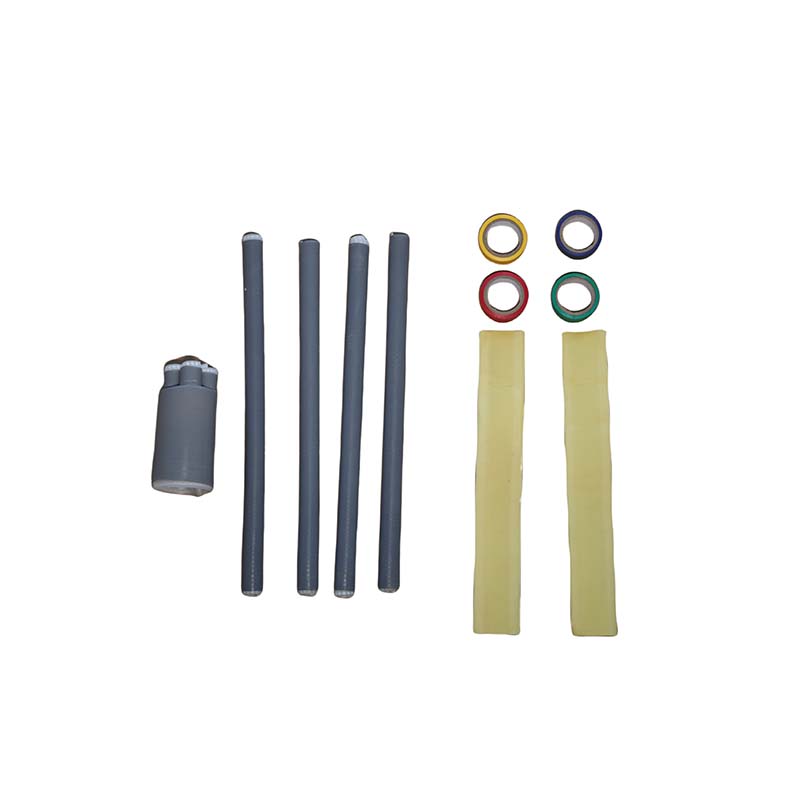
Suitable for 0.6/1kV three-phase AC distribution systems, compatible with low voltage power cables (such as YJV and VV series), with a cross-sectional area of 1.5-630mm².
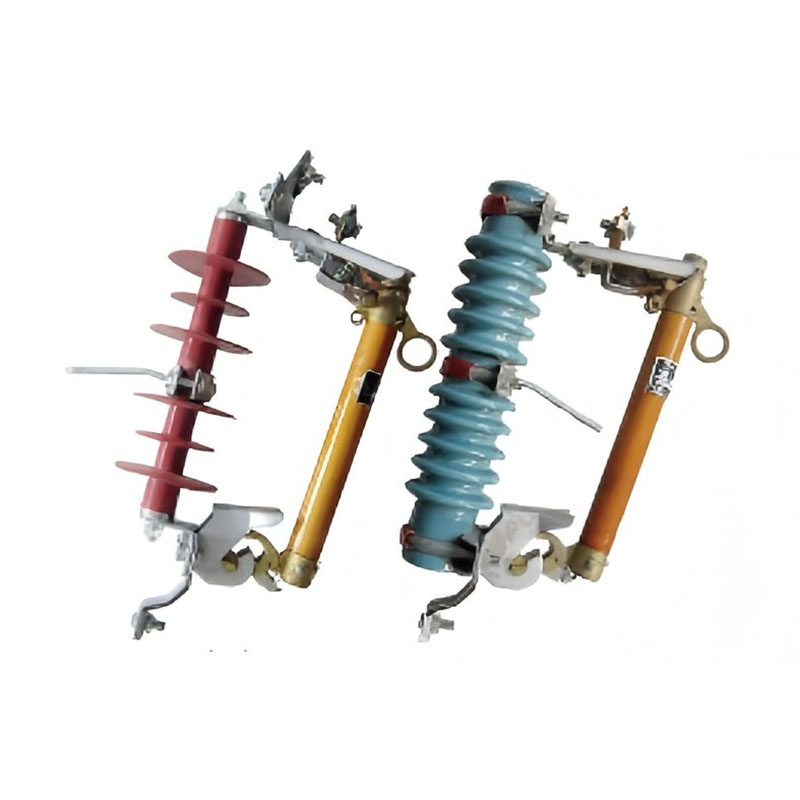
Fuse-(H)RW3-15kV
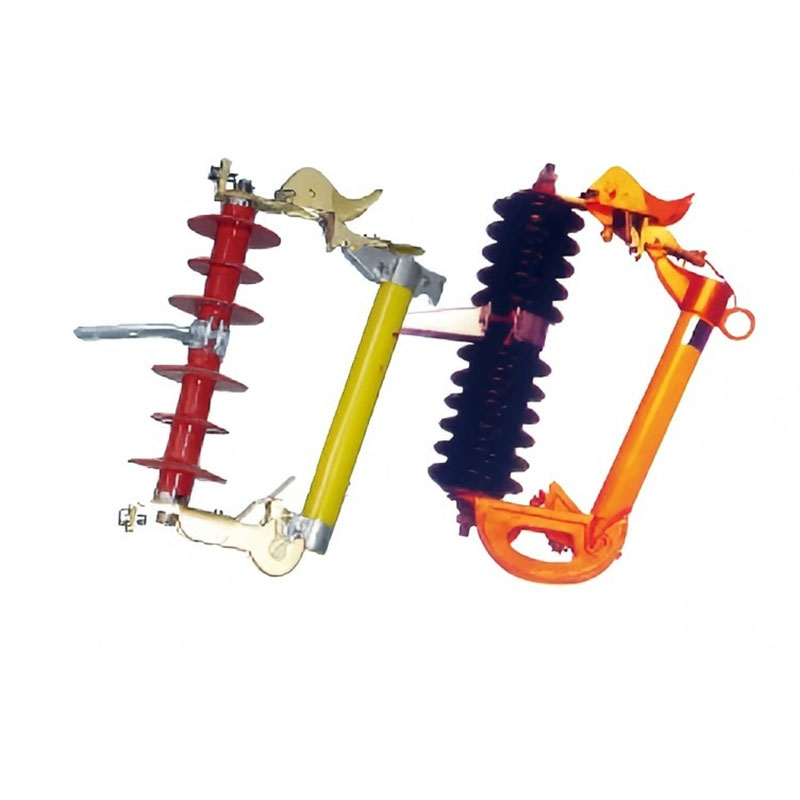
Type HRW3-10 is an open high voltage 10kV fuse, specially designed for short circuit and overload protection of distribution lines and transformers, with circuit isolation function
“H” type connector
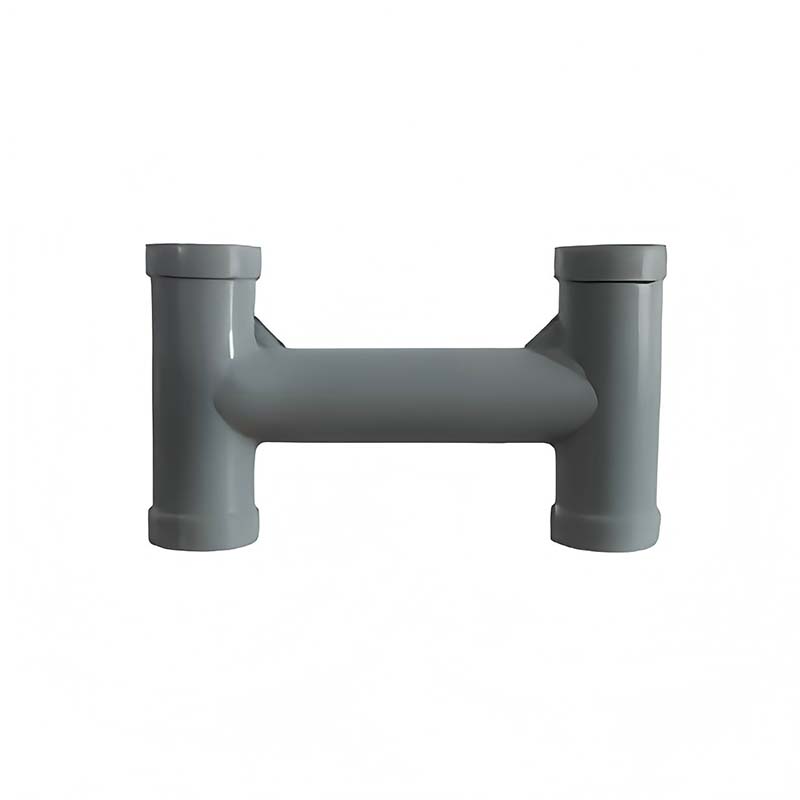
An H-shaped cable connector is a cable accessory used to connect cables to ensure continuity of cable lines. It provides protection and support for electrical connections as well as mechanical support for cables.
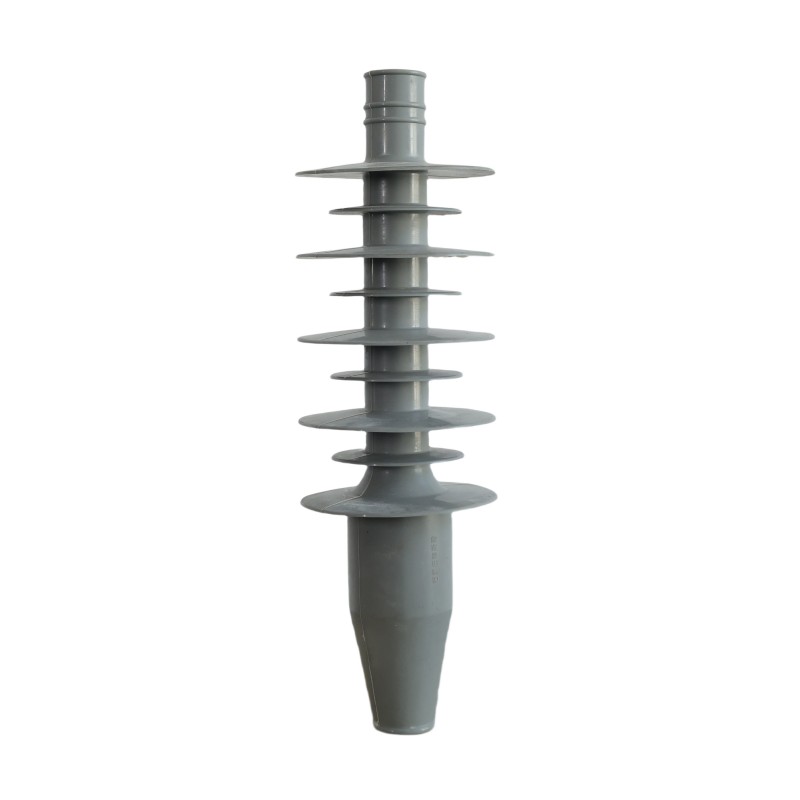
Cold-shrinkable end coupling 33 kV
Insulation protection: Cold shrink cable terminal uses cold shrink voltage control tube, which can effectively insulate the cable from the external environment, prevent the cable from being damaged by external factors, and ensure good insulation protection
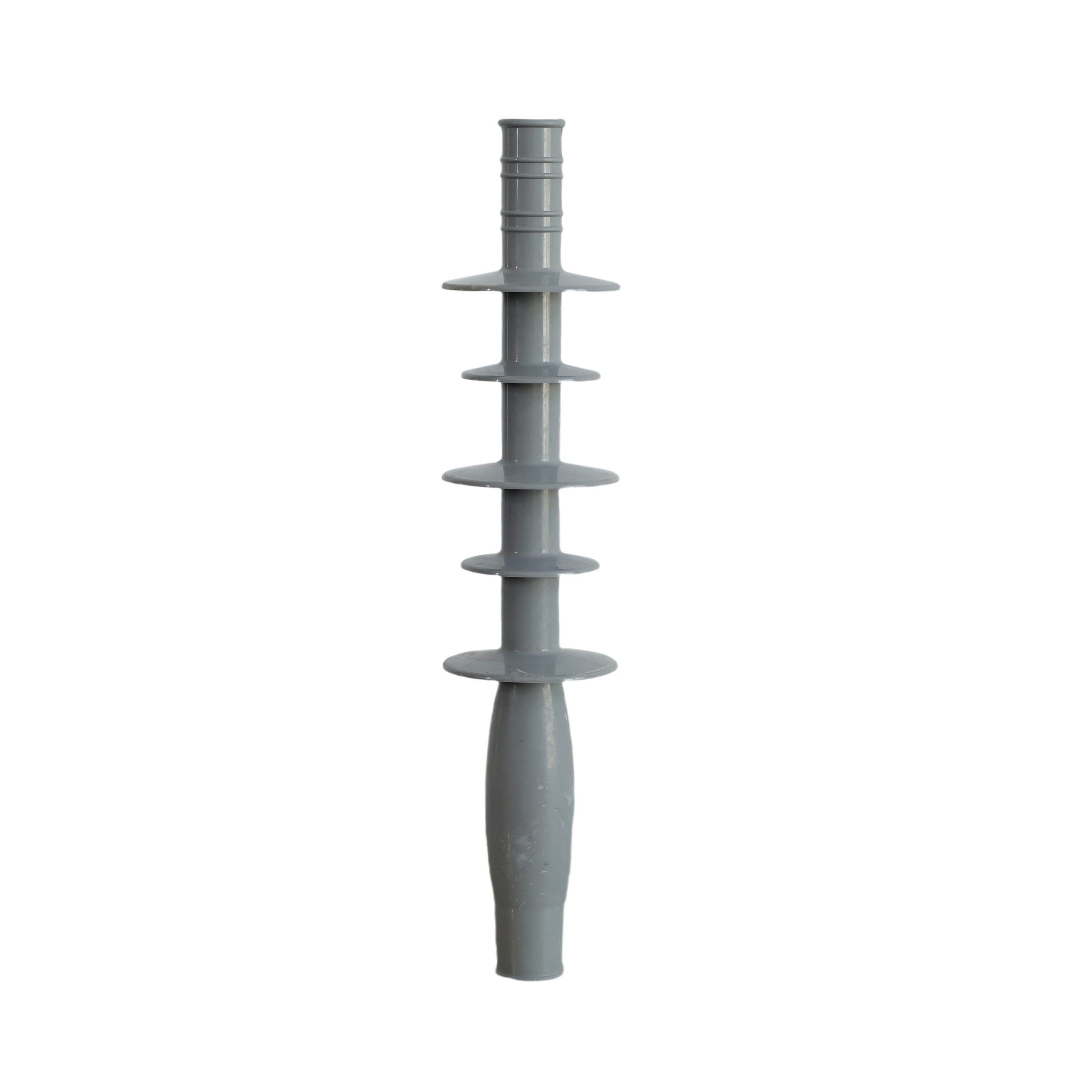
Cold-shrinkable end coupling 24 kV
The main function of 24kV cold shrink cable terminal is to ensure safe and reliable cable operation, prevent damage caused by thermal expansion and contraction, and ensure good sealing and insulation protection. The cold shrink cable terminal uses cold shrink voltage control tube, suitable for voltage levels from 10kV to 35kV.
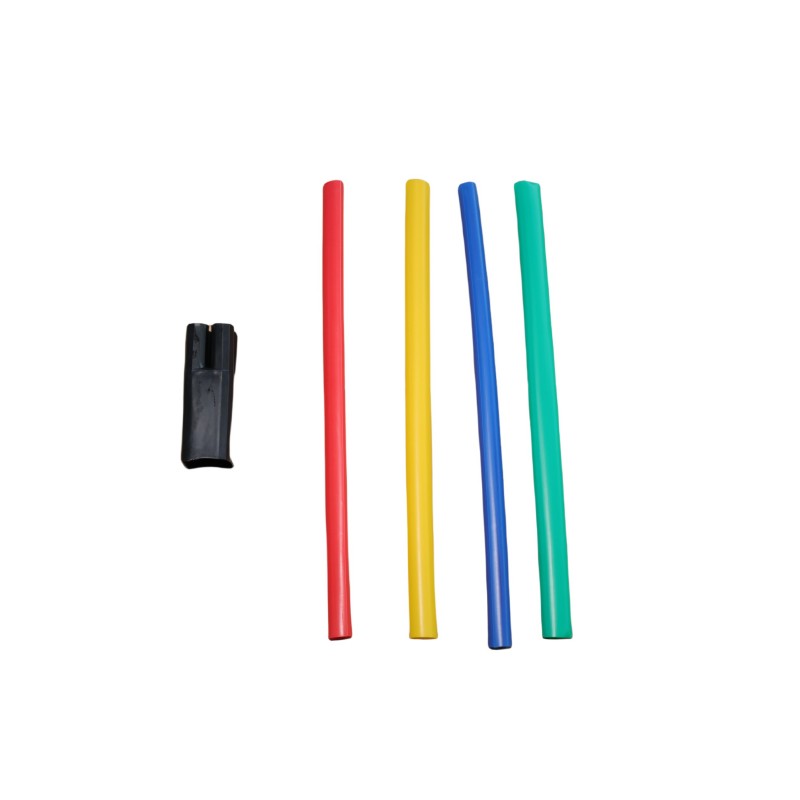
Heat-shrinkable end coupling 1 kV
1kV heat shrink cable terminal is the main component for connecting low voltage cables, suitable for insulation processing and protection of 0.6-1kV cross-linked cables. It achieves sealing and strengthening the insulation between the cable and the terminal by heating heat shrink, and has the characteristics of small size, easy installation and wide environmental adaptability
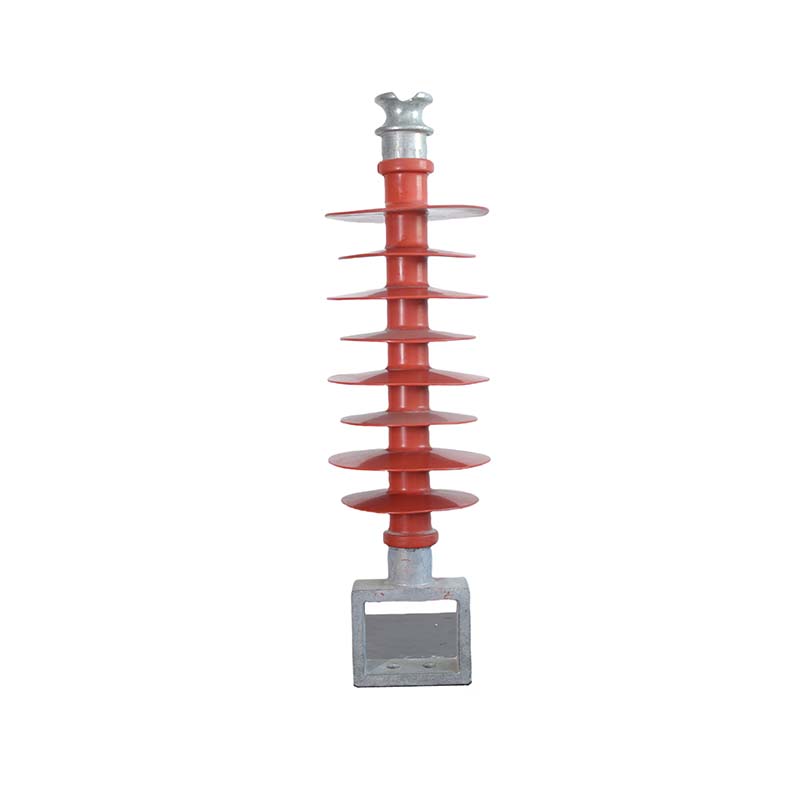
Traverse insulator 35 kV
Featuring a conical or cylindrical design, it serves as crossmember support and insulation, replacing traditional metal/wood crossmembers, reducing support height and simplifying design. Main materials include electrical porcelain and silicone rubber composite, and the grooved surface increases creepage distance and prevents fouling.
Support insulator 220 kV
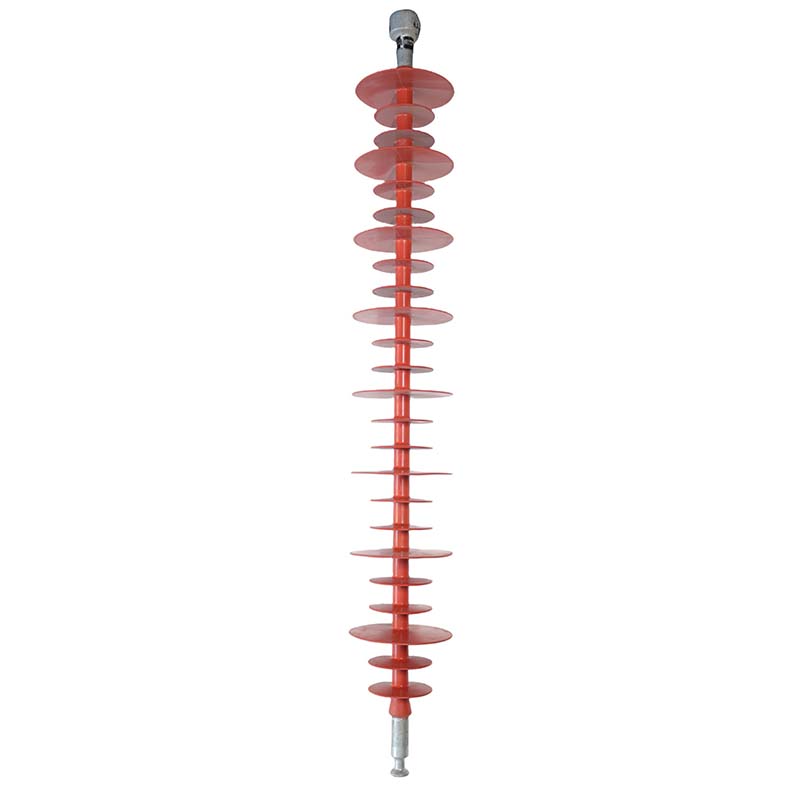
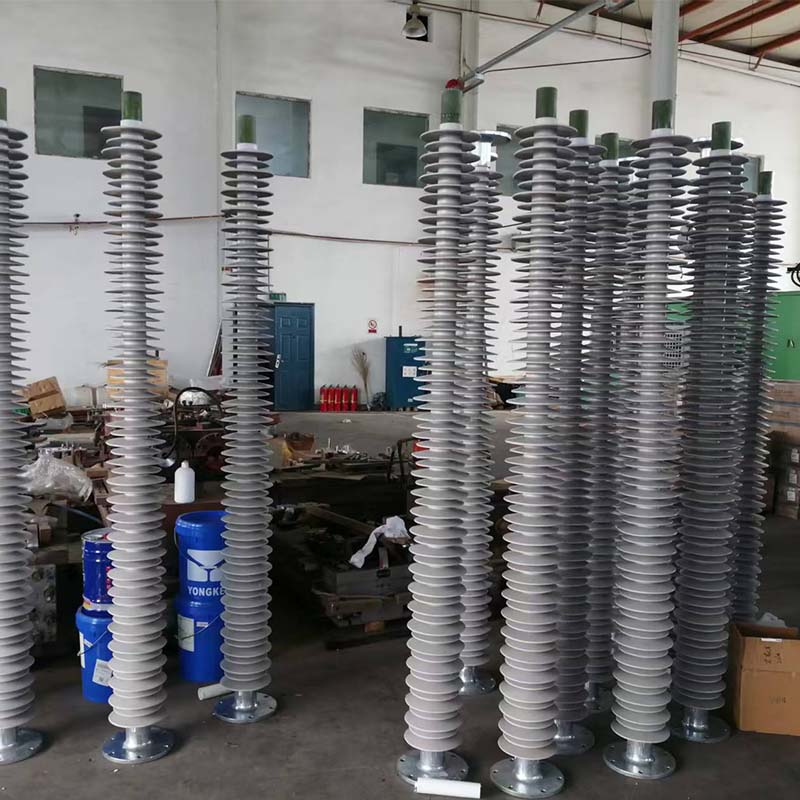
220KV Composite Column Insulators are high voltage insulation equipment made of silicone rubber as the core combined with fiberglass rods and metal accessories, specially designed for power transmission lines and substations.
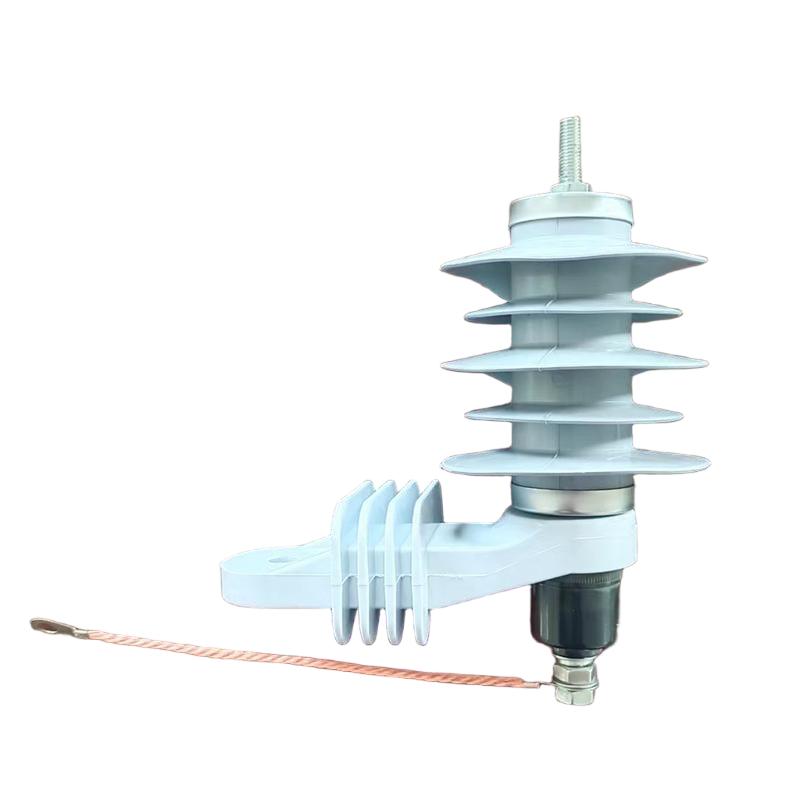
Composite silicone rubber terminal
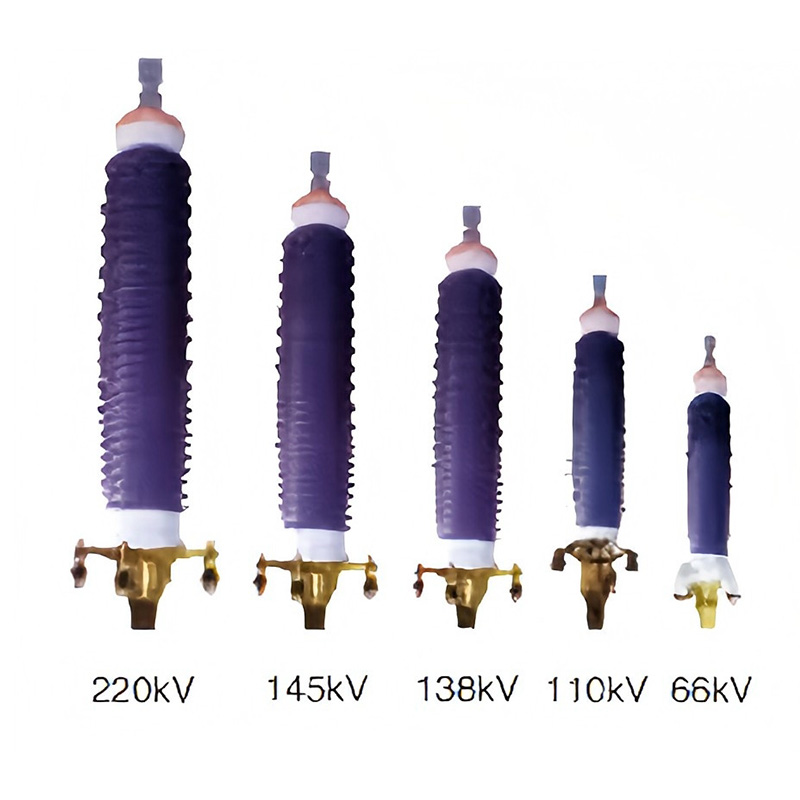
High safety (explosion protection): this is their main advantage. Silicone rubber is an elastic material; if an internal malfunction occurs, the shell only cracks, preventing an explosion.
Support insulator 66 kV
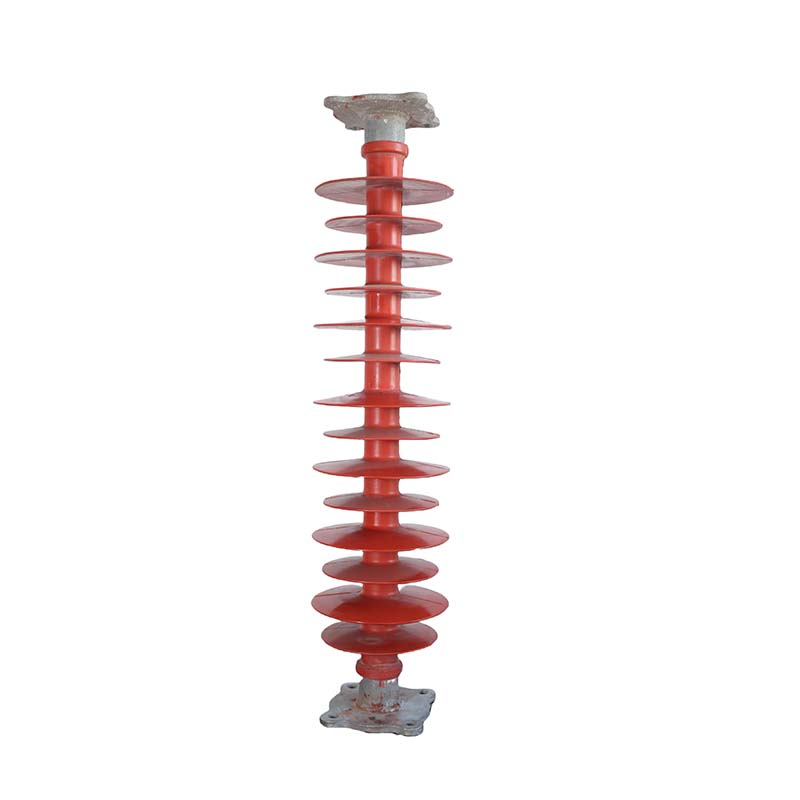
66 kV, suitable for three-phase high voltage AC transmission systems with a frequency of 50 Hz. The design consists of a fiberglass rod and a silicone rubber protective umbrella, which is 50% lighter than porcelain and resistant to UV radiation and salt spray.
disconnector-HRWK-0.5400~800
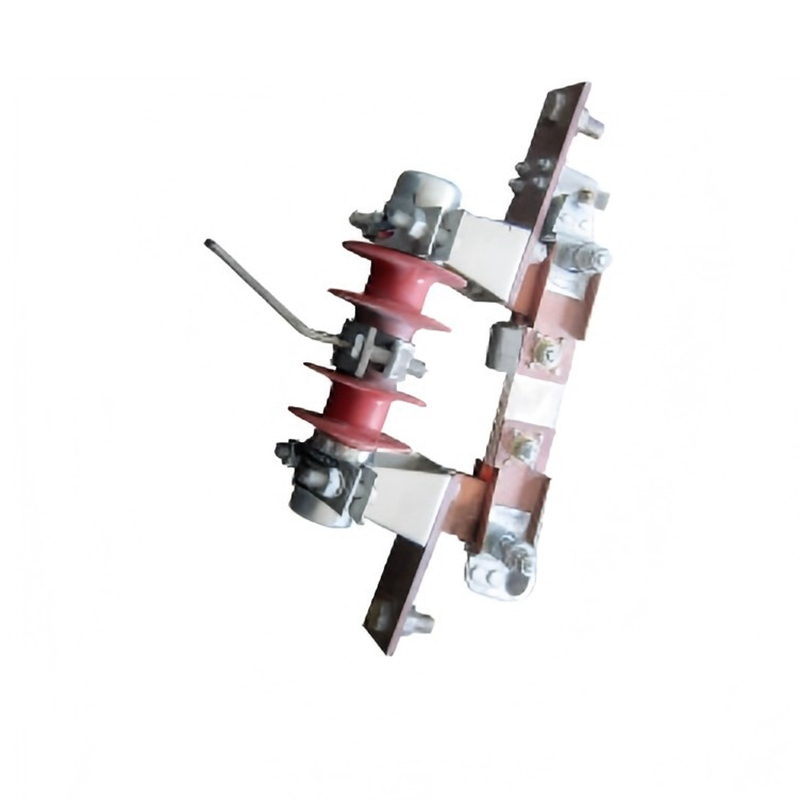
HRWK series is a low voltage fused isolation switch designed for 50Hz AC distribution systems with rated voltage of 0.5kV and below, with circuit isolation and short circuit protection functions.
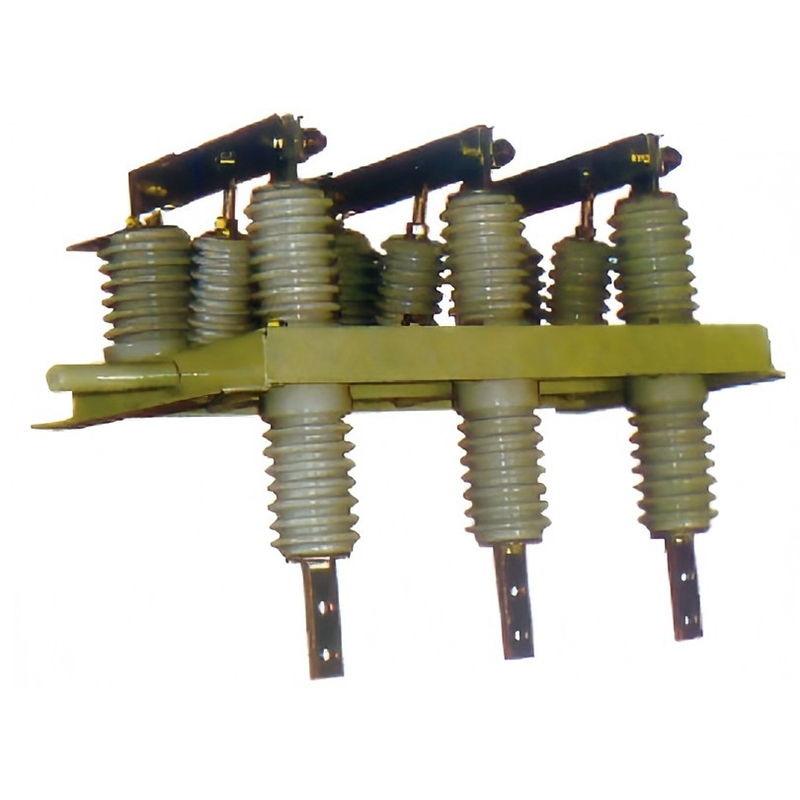
Switch-GN19-12C
GN19-12C type disconnect switch is an indoor wall-mounted high-voltage distribution device widely used in 50Hz AC power systems, rated voltage 12kV. It is mainly used for switching circuits under no-load conditions to achieve reliable isolation between electrical equipment and power supply. It supports three-phase parallel installation or wall installation in special scenarios
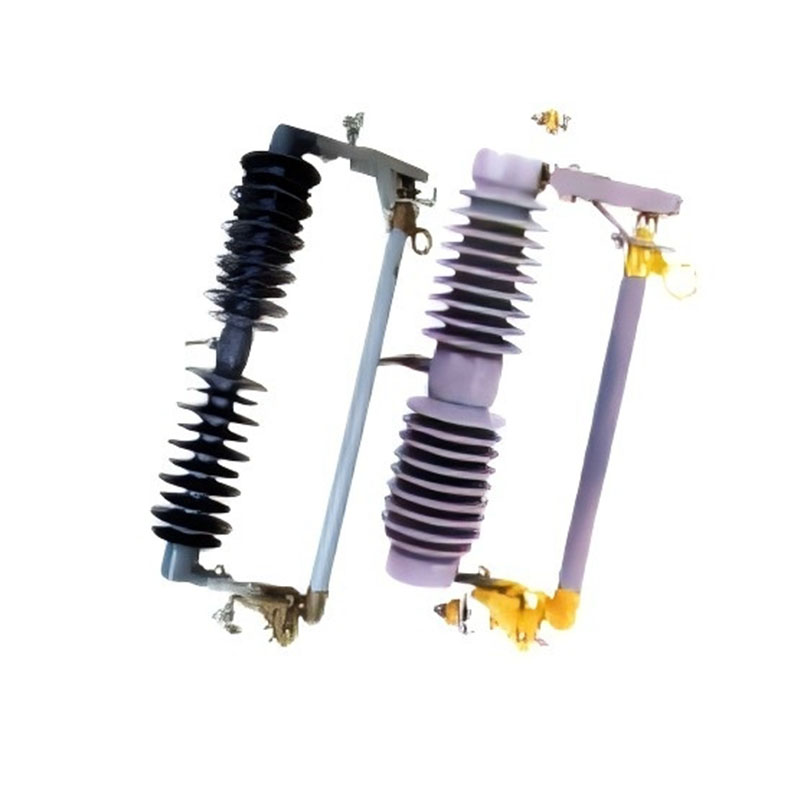
Fuse-(H)RW12-35kV
Specially designed for short circuit and overload protection of distribution lines and transformers, with the function of splitting and combining load currents, suitable for protecting power equipment on overhead lines and in harsh environments
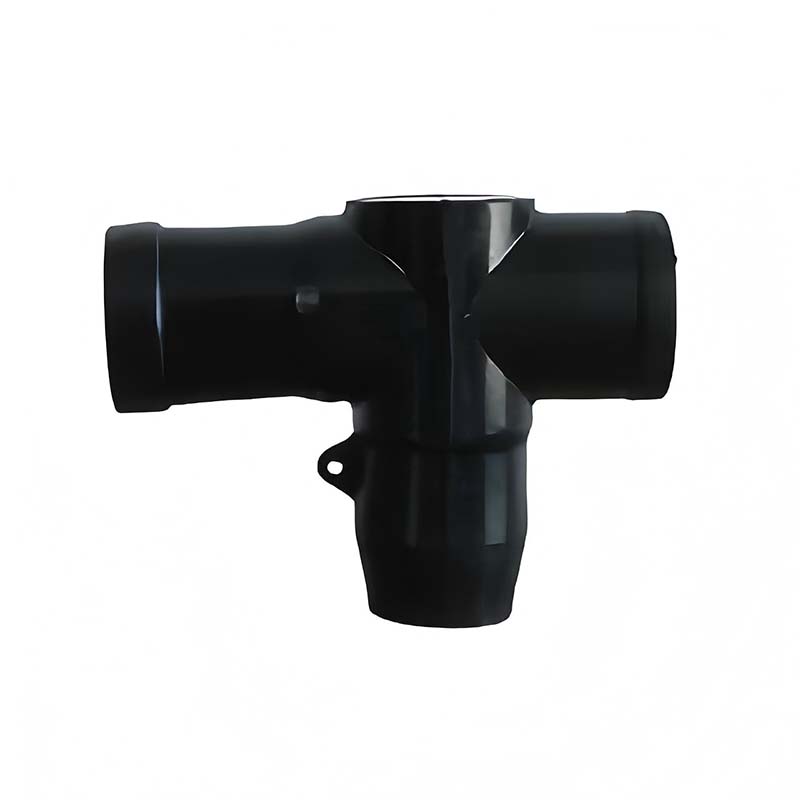
“T” type connector
The T-plug connector is a fully insulated and sealed cable connector widely used in medium and high voltage power supply systems. Thanks to its T-shaped design, it allows for quick connection and disconnection of cables to equipment. Its main features include electrical stability and environmental adaptability. It is widely used in ring network distribution cabinets, branch cables and other systems.
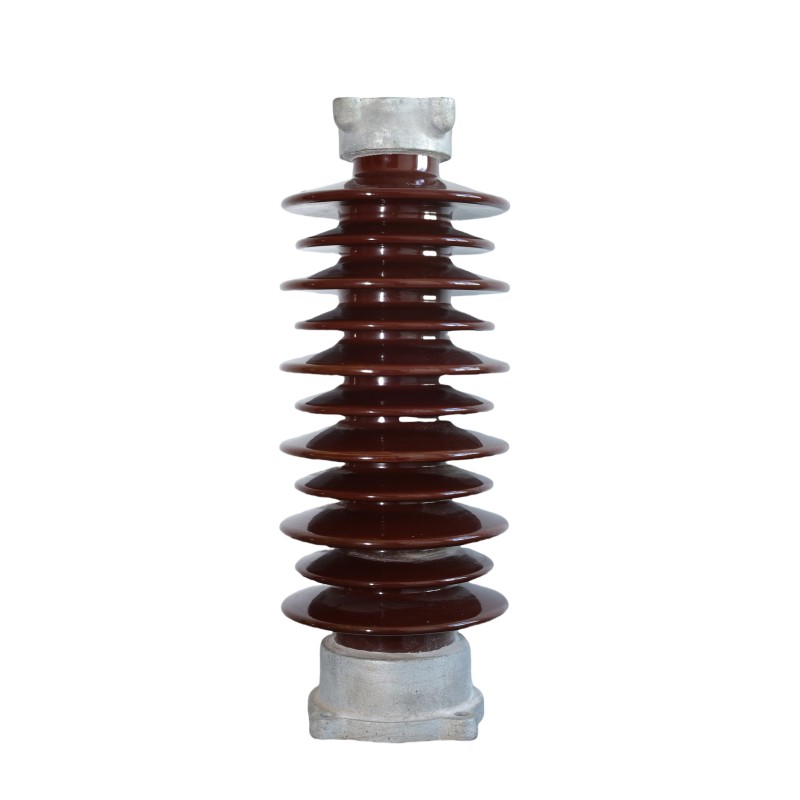
Porcelain support insulator
Porcelain support insulators are made of porcelain and are a device installed between conductors of different potentials or between conductors and grounding elements, capable of withstanding voltage and mechanical load. There are different types of insulators with different shapes. Although there are significant differences in the design and appearance of different types of insulators, they all consist of two main parts: insulating components and connecting fittings.
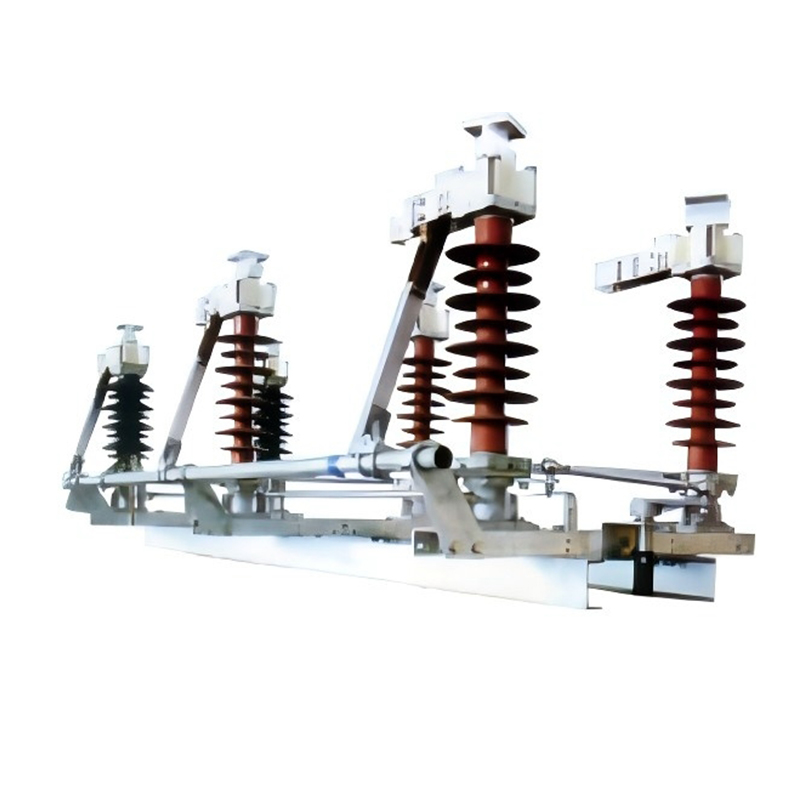
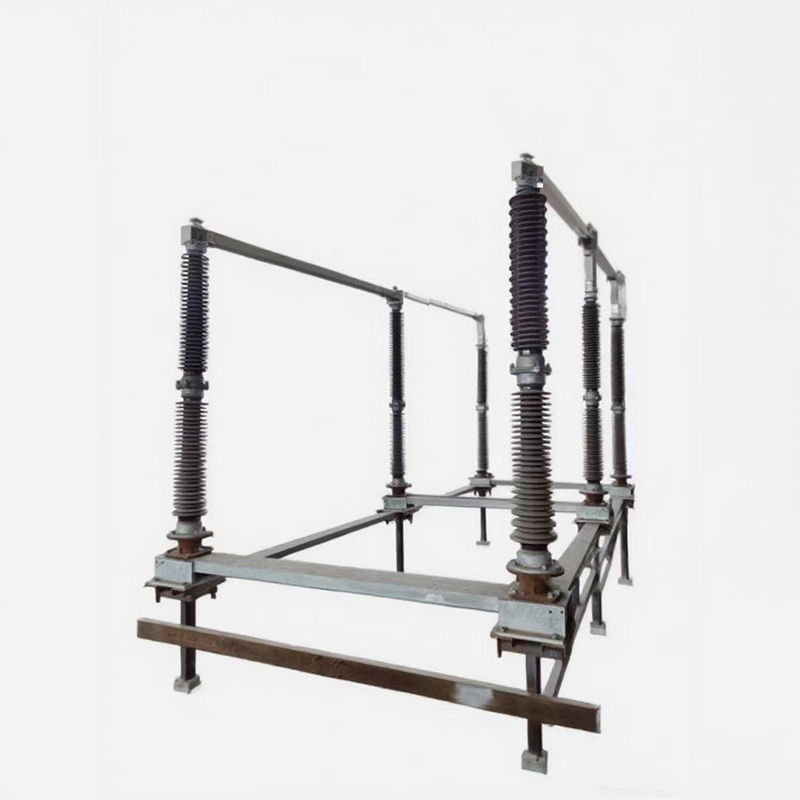
Disconnector-(H)GW4-40.5kV
Ratings Voltage level: 40.5KV, suitable for three-phase AC 50Hz 24 Current specifications: Cover configurations such as 630A, 1250A, 2000A, etc., to meet different load requirements. Insulation characteristics: Frequency withstand voltage 95 kV (to ground), lightning impulse withstand voltage 185 kV (to ground), in accordance with IEC standards.


